Uncategorized

Bunions Causes, Symptoms, and Treatment Sole Foot and Ankle Sole Foot Doc Podiatrist Valparaiso IN
Uncategorized

Do Bunions Run in the Family?

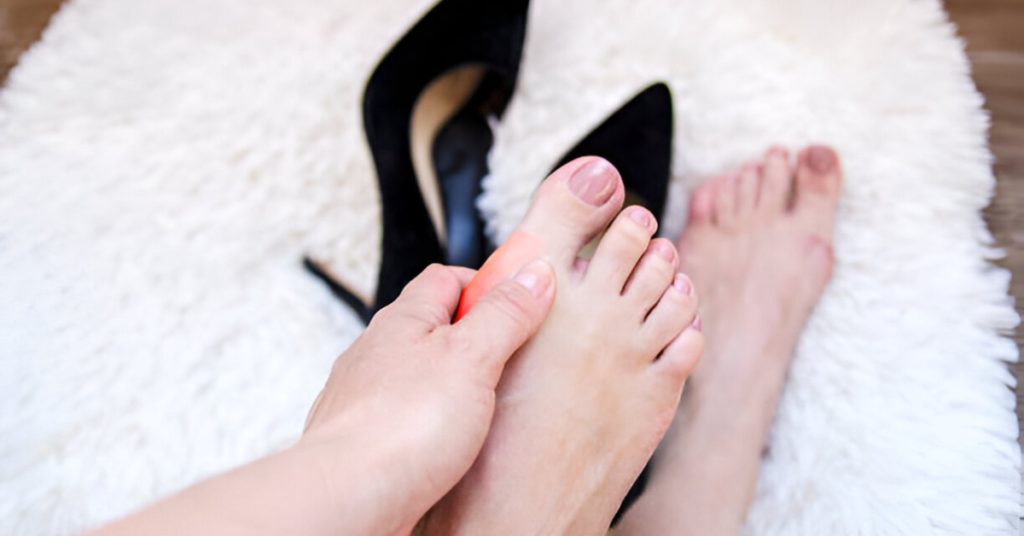
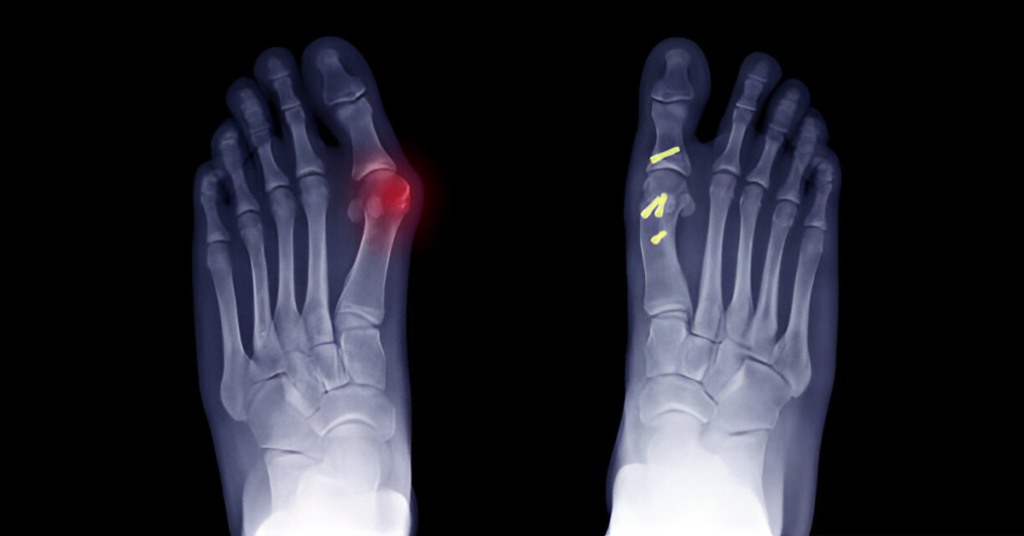
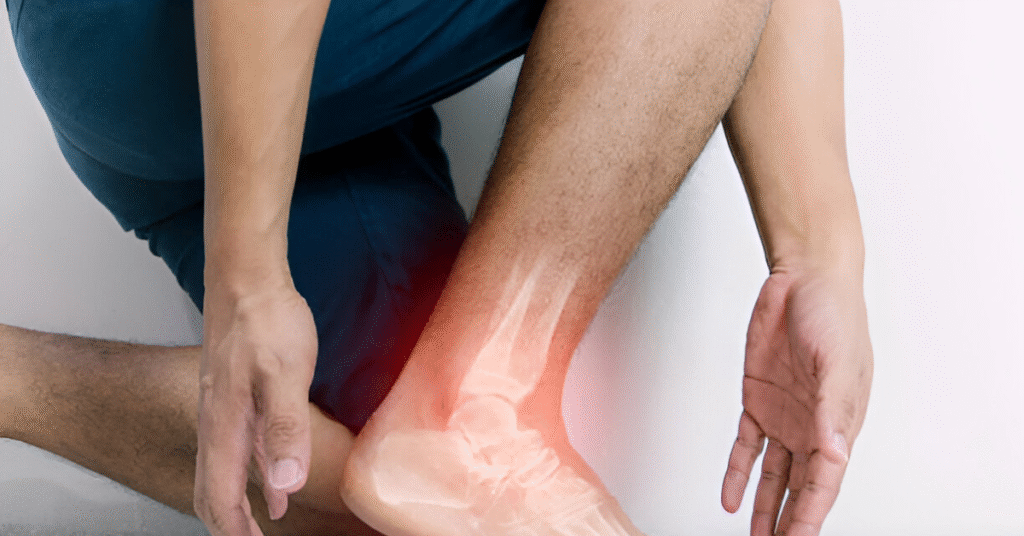
Introduction Bunions are more than just a bump on the side of your foot—they can be a source of chronic pain, limit your footwear choices, and interfere with daily activities. But what actually causes them to form? Many patients who visit our podiatry clinic in Valparaiso, Indiana, ask the same question: “Are bunions hereditary, or are they caused by lifestyle choices?” At Sole Foot and Ankle, we believe understanding the cause of your foot condition is the first step toward long-term relief. In this blog, we’ll explore the genetic link to bunions, what other factors contribute to their development, and how you can prevent or treat them effectively. Key Takeaways What Are Bunions? A bunion, or hallux valgus, is a bony bump that forms at the base of the big toe. It develops when the big toe pushes against the adjacent toes, causing the joint to stick out and shift inward. Over time, this misalignment can lead to inflammation, pain, and difficulty walking. Common Bunion Symptoms: Are Bunions Hereditary? Genetics and Foot Structure While bunions themselves aren’t directly inherited, the underlying foot structure that predisposes someone to develop bunions often is. If you inherit flat feet, loose ligaments, or abnormal bone alignment from your family, you’re more likely to experience bunion formation later in life. Several studies have confirmed a familial trend in bunion development. If one or both of your parents had bunions, you may have a higher risk of developing them as well. Key genetic links: Inherited Trait How It Contributes to Bunions Flat feet Cause improper weight distribution across the foot Hypermobile joints Make the big toe joint less stable Abnormal bone alignment Increases pressure on the toe joint, promoting deformity So, while the bunion itself may not be “passed down,” your inherited foot mechanics can create the perfect conditions for one to develop. Other Contributing Factors Prevention If you have a family history of bunions, there are still steps you can take to reduce your risk or slow their progression. Tips to Prevent Bunions: At Sole Foot and Ankle, we offer gait analysis and custom orthotics in Valparaiso to help patients with inherited risk factors maintain foot alignment and prevent complications. Treatment Options Even if bunions are hereditary, the good news is there are many effective ways to manage or correct them. Conservative Treatments: Surgical Options: If conservative treatment isn’t enough, our clinic specializes in Lapiplasty®, a minimally invasive bunion surgery that corrects the root of the deformity in three dimensions. This advanced approach provides faster recovery and lowers the risk of recurrence. A Note from Sole Foot and Ankle If you’re experiencing bunion pain or have a family history of foot issues, don’t wait for the problem to worsen. At Sole Foot and Ankle, our expert podiatrists in Valparaiso, Indiana, offer personalized care for bunions—whether you’re managing symptoms or considering surgical treatment. We’re here to help you get back on your feet, pain-free. Schedule your consultation today

Sole Foot and Ankle | Sole Foot Doc | foot doctor in Podiatrist Valparaiso IN
Uncategorized

Do Custom Orthotics Work? Benefits, Myths & What to Expect

Introduction If you’ve ever searched for ways to relieve foot discomfort or improve your walking pattern, you’ve probably heard about custom orthotics. From runners and nurses to people dealing with chronic pain in the sole of their feet, many swear by these prescription shoe inserts. But do they actually work—or are they just hype? At Sole Foot and Ankle, a trusted podiatrist in Valparaiso, Indiana, we hear this question often. In this post, we’ll explore what custom orthotics really are, debunk common myths, highlight their benefits, and help you decide whether they’re the right choice for you. Key Takeaways What Are Custom Orthotics? Custom orthotics are medical devices created specifically for the shape and biomechanics of your feet. Unlike over-the-counter insoles, they are tailored to correct imbalances, redistribute pressure, and provide proper arch support. There are two main types: Why Customization Matters Off-the-shelf insoles can’t match the exact structure of your feet. A podiatrist evaluates your gait, foot shape, and pressure points—ensuring that the device supports your daily activities and long-term health. Common Myths About Custom Orthotics Even with their proven benefits, many people hesitate due to misinformation. Let’s bust some common myths: Myth Truth Orthotics are just overpriced insoles. Custom orthotics are medical-grade and tailored to your feet. Once you get orthotics, you’ll need them forever. Orthotics often provide relief during healing or to manage chronic conditions—not always permanently. You can buy “custom” orthotics online. Only a podiatrist can provide true custom orthotics, backed by medical assessment. They only help people with foot pain. Orthotics can also relieve pain in the knees, hips, and lower back by correcting alignment. Proven Benefits of Custom Orthotics Orthotics aren’t just about comfort—they’re about long-term health and mobility. Some of the most common benefits include: Are Custom Orthotics Right for You? Custom orthotics aren’t one-size-fits-all—and they aren’t for everyone. They’re especially effective if you: Consulting with a podiatrist near you—like our team at Sole Foot and Ankle—is the best way to determine if orthotics are right for your unique foot structure and lifestyle. What to Expect During the Orthotics Process Here’s what happens when you come to a foot care clinic like ours for custom orthotics: Comparison: Custom Orthotics vs. Over-the-Counter Insoles Feature Custom Orthotics Store-Bought Insoles Tailored Fit Yes No Medical Evaluation Required Yes No Long-Term Support High Moderate Cost Higher upfront Lower Effectiveness for Chronic Pain High Limited Recommended By Podiatrists Yes Sometimes A Note from Sole Foot and Ankle If you’re dealing with foot discomfort or looking for a reliable way to manage chronic pain in your feet, custom orthotics may be the solution. At Sole Foot and Ankle, we specialize in personalized treatment, backed by medical science and delivered throughhands-on care. We serve patients across Valparaiso, Indiana, and the surrounding region. Whether you’re searching for a foot clinic near me or need an ankle doc you can trust, our team is here to help you every step of the way. Schedule your podiatry appointment today and take the first step toward comfort. Additional FAQs How long do custom orthotics last? Most custom orthotics last 1–5 years depending on usage, materials, and changes in your foot shape. Are orthotics covered by insurance? In many cases, yes—especially when prescribed by a licensed podiatrist. Contact your insurance provider for details. Will I need new shoes for orthotics? Not always, but a good fit is important. We may recommend supportive footwear that accommodates orthotics properly.

Osteotomy Surgery Meaning, Procedure & Recovery Sole Foot and Ankle Sole Foot Doc foot doctor in Podiatrist Valparaiso IN
Uncategorized

Osteotomy Surgery: Meaning, Procedure & Recovery

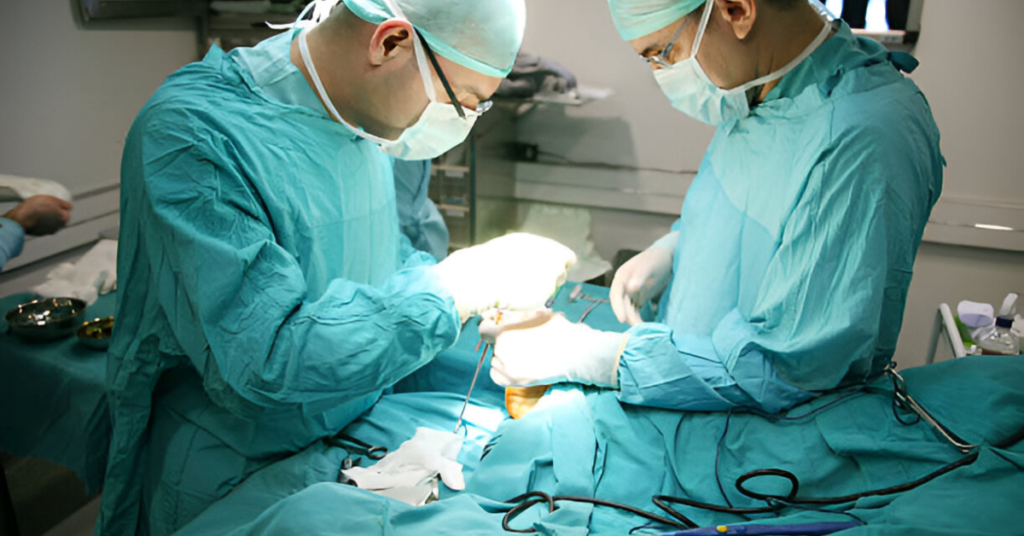
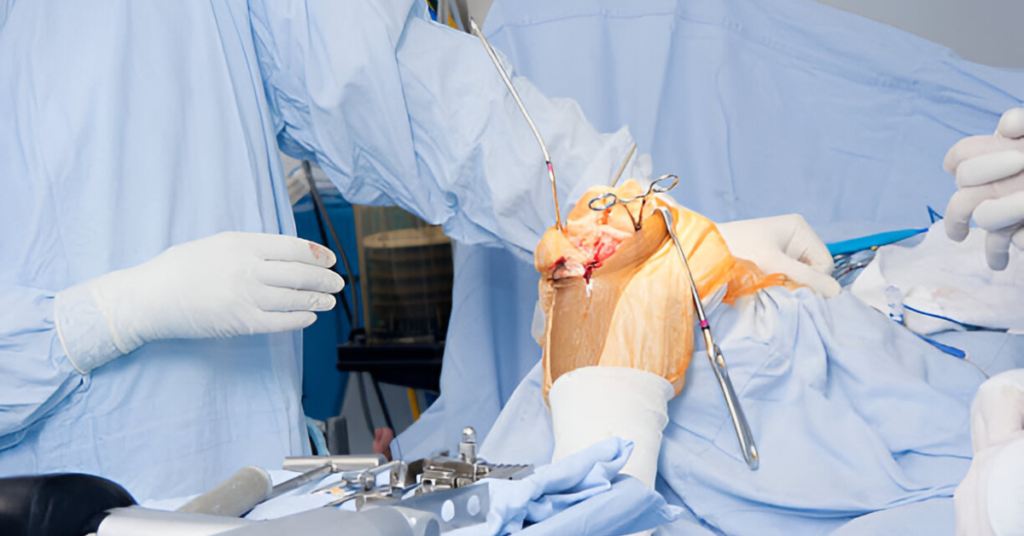
Introduction Osteotomy surgery is a procedure doctors use to fix bone problems by cutting and repositioning bones. It helps improve joint alignment, balance weight on your feet, and reduce pain. When other treatments like shoe inserts, medicine, or physical therapy don’t work, surgery might be the next step. For foot and ankle problems, osteotomy can make a big difference by improving how you walk and preventing further joint damage. At Sole Foot and Ankle in Valparaiso, Indiana, our expert foot doctors (podiatrists) specialize in performing osteotomies for foot and ankle issues. We use modern tools and techniques to create customized surgical plans that help each patient recover and move comfortably again. Key Takeaways What Is an Osteotomy? An osteotomy is a surgery where a bone is cut, moved, and held in a new position using screws, plates, or pins. The goal is to fix deformities, relieve pressure on joints, and help the foot work better. In podiatry, doctors use this technique to treat common foot issues and improve how patients walk and feel. Why Is an Osteotomy Performed? Doctors may recommend osteotomy surgery when the bones in your foot are misaligned or causing long-term pain that doesn’t improve with other treatments. Misaligned bones can lead to uneven pressure on joints and soft tissues, which over time causes pain, swelling, and even deformity. An osteotomy helps by cutting and repositioning the bone to create a more natural alignment and improve how your foot functions. Here are some of the main reasons an osteotomy might be needed: 1. Bone Misalignment When the bones in your foot or toes grow or shift out of place—whether due to genetics, past injuries, or wear and tear—this can cause uneven walking patterns and discomfort. An osteotomy can realign these bones to restore balance and reduce pressure. 2. Joint Problems Misaligned bones can damage joints over time, leading to stiffness, swelling, and limited movement. By correcting the bone structure around a joint, osteotomy can relieve pain and prevent joint damage from getting worse. 3. Arthritis In cases of early to moderate arthritis, especially in the big toe or midfoot joints, an osteotomy can be used to shift pressure away from the damaged area. This helps preserve the joint and delay or prevent the need for joint fusion or replacement. 4. Poorly Healed Injuries If a broken bone doesn’t heal in the right position (called a malunion), it can affect how your foot works and cause long-term problems. Osteotomy allows the surgeon to correct the shape and alignment of the bone to restore function and comfort. 5. Pain and Trouble Walking Due to Deformities Foot deformities like bunions, hammertoes, or flatfoot often cause pain when walking or standing. Osteotomy is frequently used in these cases to reshape and realign the bones, making it easier to walk comfortably and wear regular shoes. Reasons for Osteotomy Osteotomy surgery is often recommended when certain foot conditions cause pain, limit mobility, or interfere with daily life. These problems can make it hard to walk, wear shoes comfortably, or stay active. In many cases, conservative treatments like physical therapy, custom orthotics, or medications don’t provide enough relief—making surgery the next step. Here are some of the most common reasons you might need an osteotomy: 1. A Bunion (Hallux Valgus) A bunion forms when the big toe points toward the second toe, causing the bone at the base of the big toe to stick out. This misalignment can be painful and make it hard to wear shoes. Osteotomy helps by realigning the bone in your big toe, reducing the bump and improving how your foot functions. 2. A Hammertoe That Doesn’t Move Properly A hammertoe is a toe that stays bent in a curled position. It often causes rubbing against the top of shoes, leading to corns, calluses, and pain. When the toe becomes stiff and non-movable, an osteotomy may be performed to straighten the bone and restore better alignment. 3. Flatfoot That Causes Pain and Trouble Walking Flatfoot, or fallen arches, means the inside of your foot flattens too much when standing or walking. This can lead to pain in the arch, ankle, or heel and even affect the knees and hips. In more serious cases, an osteotomy can shift the heel bone or lengthen the arch area to rebuild the foot’s natural shape and improve support. 4. Arthritis in Your Big Toe or Midfoot When arthritis affects the joints in your foot, especially around the big toe or middle of the foot, it can make every step painful. An osteotomy can reduce pressure on the affected joint by adjusting the surrounding bones. This may help preserve joint function and reduce the need for more invasive procedures like joint fusion. 5. Ongoing Foot Pain from an Old Injury If you had a foot injury in the past that didn’t heal properly, the bones may now be misaligned. This can lead to ongoing discomfort, especially during movement or while bearing weight. An osteotomy can correct the bone position and restore more normal foot function. How Do I Prepare for Osteotomy? Preparing for osteotomy surgery is an important step to make sure the procedure goes smoothly and recovery is successful. Your podiatrist at Sole Foot and Ankle will guide you through each part of the preparation process so you know exactly what to expect. Here’s what typically happens before surgery: 1. X-rays or Imaging Tests Your doctor will take detailed X-rays or other scans, like a CT or MRI, to get a clear view of your foot bones and joints. These images help your surgeon plan exactly where and how to make the bone cuts during the surgery. Every foot is different, so this step is key to creating a surgical plan that’s right for you. 2. Medical History and Health Check You’ll be asked about your medical history, including any conditions like diabetes, heart problems, or blood pressure issues. The doctor may also order blood tests or other screenings to make sure you’re

Scroll to Top