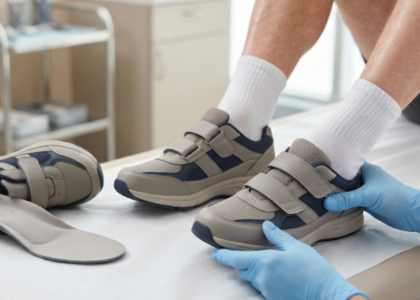

For most people in Valparaiso and Northwest Indiana, winter means cold feet, dry skin, and icy sidewalks. For people with diabetes, winter diabetic foot care is a far more serious matter. The same cold, dry conditions that are merely uncomfortable for healthy patients can trigger frostbite, burns, serious skin breakdown, and worsening nerve pain in diabetic feet that have already lost their protective warning systems.
Winter diabetic foot care is not a matter of general wellness advice. It is a medical priority that changes with the season and demands specific, proactive steps that go well beyond the standard diabetic foot care routine.
This guide covers what cold weather actually does to diabetic feet, why Northwest Indiana winters specifically increase risk, and the practical measures that prevent winter from becoming the season that triggers a serious foot complication.
Why Winter Is the Highest-Risk Season for Diabetic Feet
Winter creates a convergence of risk factors that compound the existing vulnerabilities of the diabetic foot in ways that other seasons do not.
Cold Reduces Blood Flow
Cold weather triggers vasoconstriction, the narrowing of peripheral blood vessels as the body redirects blood flow toward vital organs to conserve heat. For patients with peripheral artery disease or diabetic microvascular damage, this constriction occurs on top of an already compromised circulatory baseline. Reduced blood flow lowers the oxygen and nutrients going to your feet and increases nerve sensitivity. Less blood flow means slower wound healing, reduced immune response, and greater susceptibility to tissue injury from even brief cold exposure.
Neuropathy Eliminates the Warning System
In a healthy foot, the sensation of cold, pain, and pressure prompts protective behavior. A cold foot hurts, so you come inside. A shoe that is too tight in a thick winter sock causes pressure, so you loosen it. A developing frostbite produces pain, so you seek warmth. A diabetic patient with neuropathy may develop frostbite without realizing their foot is dangerously cold. The warning system that cold weather depends on to keep feet safe is precisely what neuropathy eliminates.
Dry Indoor Heating Damages Skin Integrity
The cold, dry winter climate, along with the effects of indoor heating, can also cause a surge in blood sugar and raise the likelihood of skin dryness, fissures, and potential infection. Forced air heating dramatically reduces indoor humidity. Skin that is already prone to dryness in diabetic patients from autonomic neuropathy loses moisture rapidly in heated indoor environments, producing cracked heels, heel fissures, and skin breakdown that creates entry points for bacterial infection.
The American Diabetes Association’s 2026 Standards of Care specifically notes that signs of autonomic neuropathy include evidence of peripheral dryness or cracking of skin, precisely the condition that winter indoor heating accelerates.
Ice and Snow Create Fall Risk
Patients with neuropathy have impaired balance and proprioception. Icy surfaces in Northwest Indiana during lake-effect winters dramatically increase fall risk for this population. A fall that produces a minor foot or ankle injury in a healthy patient can produce a wound, fracture, or sprain that becomes limb-threatening when combined with neuropathy and poor circulation.
Winter Diabetic Foot Care Risks Specific to Northwest Indiana
Lake-effect snow from Lake Michigan gives Northwest Indiana a distinctly harsher winter profile than much of the Midwest. Valparaiso, Portage, Chesterton, and the surrounding communities regularly experience rapid temperature drops, prolonged below-freezing days, ice accumulation from freezing rain, and heavy snowfall that limits mobility and creates prolonged cold exposure for anyone who spends time outdoors.
This regional climate creates conditions that matter specifically for winter diabetic foot care:
- Prolonged outdoor exposure during snow removal, vehicle warming, or walking to and from parking lots in cold temperatures creates extended cold exposure risk in feet that cannot feel the damage occurring.
- Lake-effect snow events can strand patients indoors for days, disrupting the routine podiatric appointments and physical activity that support circulation and foot health.
- The rapid temperature changes that accompany lake-effect systems, from relatively mild to severely cold within hours, can catch patients unprepared with inadequate footwear.
- Rural and semi-rural patients in the Valparaiso area may have longer walks from parking areas and greater exposure to uncleared icy surfaces than urban patients.
The Five Biggest Winter Diabetic Foot Care Risks
Risk 1: Frostbite in Neuropathic Feet
Frostbite is one of the most underappreciated risks of winter diabetic foot care because it is completely asymptomatic in feet with significant sensory neuropathy.
In a healthy person, frostbite develops progressively with clear warning signs: intense cold sensation, numbness, tingling, and then pain as tissue damage begins. Each stage prompts protective behavior. In a neuropathic foot, none of these warning signals are reliably present. The foot can progress from normal skin temperature to tissue freezing without the patient being aware that anything is happening. Individuals with diabetes may be more susceptible to frostbite due to a combination of impaired circulation and exposure to cold temperatures.
The practical implication is that winter diabetic foot care must substitute environmental monitoring and time limits for the sensory warnings that healthy patients rely on. If a diabetic patient with neuropathy has been outside in freezing temperatures for more than a few minutes, the feet should be visually inspected and the skin temperature assessed by touch, regardless of whether the patient reports any discomfort.
Early frostbite presents as waxy, pale, or grayish skin that feels firm to the touch. Any suggestion of frostbite requires immediate gentle rewarming with body temperature water, not hot water, and prompt medical evaluation.
Risk 2: Burns From Heating Devices
This is one of the most counterintuitive winter diabetic foot care risks, because it occurs indoors where patients feel safe.
When feet are cold, the natural instinct is to warm them. Heating pads, electric blankets, heated shoe inserts, hot water bottles, space heaters, and sitting close to a fireplace are all commonly used by diabetic patients to warm their feet during Indiana winters. Each of these carries significant burn risk in patients with neuropathy.
Neuropathy can reduce sensation in the feet, making burns from heating pads, electric blankets, or hot water a serious risk. A podiatrist at Franciscan Health specifically notes that diabetic patients may not feel when their feet are burning and as a result can experience second or third degree burns, which can cause serious foot problems.
The safe alternatives for warming diabetic feet in winter are warm socks, including diabetic-specific thermal socks that do not constrict circulation, leg elevation to reduce venous pooling, and gentle movement to promote circulation. Direct heat sources should not be applied to neuropathic feet under any circumstances.
When washing feet, water temperature should always be tested with the elbow or a thermometer before the foot enters the water. Water that feels comfortable to the hand may be dangerously hot to a neuropathic foot.
Risk 3: Skin Dryness, Fissures, and Secondary Infection
Winter is the season when the diabetic foot is most vulnerable to the skin breakdown that precedes infection. The combination of outdoor cold, low humidity, indoor heating, and the autonomic neuropathy-driven skin dryness that is inherent to diabetic peripheral neuropathy creates conditions for heel fissures, dry skin cracking, and eventual skin breakdown that can serve as bacterial entry points.
Cold, dry air dramatically increases transepidermal water loss. The heel and the skin between the toes are the two most vulnerable locations. Heel fissures can deepen into true wounds that become infected. Moisture trapped between toes from wearing thick socks without adequate drying creates a fungal and bacterial growth environment.
The winter diabetic foot care routine for skin management should include:
- Daily moisturizing of the heels and soles with a thick emollient cream, applied after bathing while the skin is still slightly damp to seal in moisture. Urea-based or shea butter formulations are particularly effective for the dry, thickened skin common in diabetic feet. Moisturizer should never be applied between the toes, where it traps moisture and increases fungal risk.
- Thorough drying between the toes after every wash, using a soft towel and gentle patting rather than rubbing. Any signs of maceration, whitening, or breakdown between toes should be evaluated promptly.
- Daily visual inspection of the heels specifically for the early signs of fissuring, which initially appear as dry lines in the skin and deepen progressively if not addressed.
Risk 4: Winter Footwear and Its Consequences
Winter boots and shoes present a specific set of winter diabetic foot care challenges that patients frequently underestimate.
Thick winter socks reduce the interior space available in a shoe. A shoe that fits appropriately with a standard sock becomes constrictive with a thermal sock, creating pressure points that a neuropathic foot cannot feel. All winter footwear should be tried on while wearing the thickness of sock that will actually be worn during cold weather, not a standard dress sock.
Select spacious shoes and boots that provide warmth and protect against rain, snow, ice, and sleet. Additionally, to keep your feet dry and comfortable, put on socks that wick away moisture.
Winter boots with steel toes conduct cold directly into the foot and are not appropriate for patients with neuropathy or peripheral arterial disease. Insulated, waterproof boots with a wide toe box, non-slip soles, and minimal interior seams are the appropriate standard for winter diabetic foot care in Northwest Indiana.
Wet Socks and Wet Shoes Raise Infection Risk
Wet socks and wet shoes are a significant winter risk. Moisture that collects between your socks and feet can form bacteria and lead to an infection. Use a towel to dry your feet, paying extra attention to the area between your toes. Wet footwear from snow or rain should be changed immediately rather than wearing damp socks for the remainder of the day.
For patients who qualify for Medicare-covered therapeutic footwear, winter is an important time to ensure the prescription is current and that the footwear provides adequate cold-weather protection. A podiatrist can evaluate whether current therapeutic footwear is appropriate for winter conditions in Northwest Indiana.
Risk 5: Cold Weather and Worsening Neuropathy Pain
For patients who already have painful diabetic neuropathy, winter often brings a meaningful worsening of symptoms that is clinically important to understand and manage.
Cold temperatures often worsen diabetic neuropathy by reducing circulation and triggering intensified stabbing, burning, or freezing sensations in the hands and feet.
This worsening is physiologically real rather than psychological. Reduced peripheral blood flow in cold temperatures lowers the oxygen supply to already damaged nerve fibers, which alters nerve signaling in ways that intensify pain. The same neuropathy that eliminates protective sensation in some patients produces heightened, intensified pain sensations in others, particularly in cold conditions.
Strategies that support circulation during winter months reduce neuropathy pain symptom intensity. Regular gentle exercise, even indoors, is one of the most effective. Walking, seated leg raises, ankle circles, and indoor stationary cycling all maintain peripheral blood flow that cold temperatures would otherwise reduce. Prolonged sitting in cold environments should be avoided.

Worried about a foot wound or a change in your feet? Call Sole Foot & Ankle at 219-464-9588 or request an appointment.
A Practical Winter Diabetic Foot Care Checklist for NWI Residents
The following checklist summarizes the key winter diabetic foot care actions for every diabetic patient in Valparaiso and Northwest Indiana.
Daily routine: Inspect both feet every morning and evening, including between all toes and on the soles, using a mirror if needed. Look specifically for any new redness, blistering, pressure marks from footwear, skin cracking, or discoloration. Moisturize heels and soles after washing, avoiding the spaces between toes. Check footwear before putting it on for any foreign objects, rough seams, or accumulated moisture from the previous wear.
When going outdoors: Ensure footwear is appropriate for the temperature and conditions, with adequate insulation, waterproofing, and non-slip soles. Limit outdoor exposure time in temperatures below freezing, particularly when wind chill is present. After coming inside, inspect feet visually for any pale, waxy, or discolored areas that might indicate cold injury, regardless of whether any discomfort was felt during outdoor exposure.
Indoors: Never use heating pads, electric blankets, or heat lamps on or near the feet. Always test bath water temperature with the elbow before the feet enter the water. Wear indoor shoes or diabetic house slippers rather than walking barefoot on cold floors. Keep indoor humidity adequate with a humidifier to reduce the skin-drying effects of forced air heating.
What to watch for and act on immediately: Any new foot wound, regardless of size. Skin that appears pale, waxy, or grayish after cold exposure. Any open skin crack, particularly at the heels. Redness, swelling, or warmth in any area of the foot. Any new or worsening numbness, tingling, or burning. Changes in foot color that do not resolve within minutes of coming indoors. A wound that is not improving needs prompt attention.
When To See a Podiatrist for Winter Diabetic Foot Care
Winter diabetic foot care is not a self-management activity. Professional monitoring is essential, particularly during the months when the risk landscape changes most significantly. Diabetes guidelines recommend regular foot checks as part of ongoing diabetes care, and annual diabetic foot exams remain one of the most effective ways to protect limbs.
Patients should not postpone scheduled podiatric appointments during winter because of weather inconvenience. A missed appointment during high-risk winter months is a missed opportunity to catch the early signs of skin breakdown, callus deepening, or shoe fit changes before they become wounds.
Contact a podiatrist promptly, not at the next scheduled appointment, if any of the warning signs above are present. In diabetic foot care, waiting to see whether a problem resolves on its own is consistently associated with worse outcomes. The window between a minor skin crack and a serious infection is measured in days in patients with neuropathy and compromised circulation.
Frequently Asked Questions About Winter Diabetic Foot Care
Can cold weather cause a diabetic foot ulcer?
Cold weather does not directly cause ulcers, but it creates conditions that make ulcer development significantly more likely. Reduced circulation impairs healing. Neuropathy prevents detection of frostbite, pressure sores, and shoe irritation. Dry skin produces the cracks that serve as bacterial entry points. Constrictive winter footwear creates new pressure points. Each of these is a mechanism by which winter conditions can initiate the chain of events that leads to ulceration in a diabetic foot.
Is it safe for diabetic patients to shovel snow?
Snow shoveling involves prolonged cold exposure, heavy physical exertion, and the risk of falls on icy surfaces. For diabetic patients with neuropathy, peripheral arterial disease, or cardiovascular disease, it carries meaningful risks. If snow shoveling is necessary, feet should be inspected before and after, appropriate insulated waterproof footwear should be worn, time outdoors should be minimized, and any numbness or tingling during the activity should prompt an immediate return indoors. For high-risk patients, arranging alternative snow removal is a practical winter diabetic foot care recommendation worth discussing with both a podiatrist and primary care physician.
What type of socks are best for diabetic feet in winter?
The ideal winter diabetic sock is moisture-wicking, seamless or minimal-seam, non-binding at the top, lightly padded on the sole, and made from a warm fiber such as merino wool or a thermal synthetic blend. Wool provides natural temperature regulation and moisture management. Compression socks should only be worn on the recommendation of a podiatrist, as inappropriate compression can worsen circulation in patients with peripheral arterial disease. Socks should be changed daily and any time they become damp.
My feet feel fine in winter. Do I still need to follow winter diabetic foot care precautions?
Yes, and this is arguably the most important principle of winter diabetic foot care. Feet that feel fine may have significant neuropathy that has eliminated the warning signals that would otherwise tell you something is wrong. The absence of pain or cold sensation is not reassurance in a diabetic patient. It is a reason for heightened vigilance rather than reduced attention.
How does winter affect my risk of a diabetic foot amputation?
Winter does not directly change amputation risk, but it concentrates several risk factors simultaneously in ways that other seasons do not. Reduced circulation, neuropathy-masked cold injury, skin breakdown from dry air, constrictive winter footwear, and fall risk from icy surfaces all contribute to the chain of events that leads from a healthy foot to a wound to an infection to an amputation. Consistent winter diabetic foot care, professional monitoring, and prompt attention to any warning signs are the most effective ways to interrupt that chain before it progresses.
Getting Winter Diabetic Foot Care in Valparaiso, IN
For diabetic patients in Valparaiso, Portage, Chesterton, Merrillville, and throughout Northwest Indiana, a proactive approach to winter diabetic foot care begins with a comprehensive podiatric evaluation before the season’s most severe cold arrives. At Sole Foot & Ankle, Dr. Harpreet Minhas provides diabetic foot care that includes seasonal risk assessment, footwear evaluation for winter conditions, neuropathy screening, and vascular assessment, giving patients the clinical information and guidance they need to navigate Indiana’s winters safely.
Have a Foot Wound That Isn’t Healing?
Before the coldest months arrive, Dr. Harpreet Minhas at Sole Foot & Ankle in Valparaiso can check your feet, circulation and footwear so you get through a Northwest Indiana winter without injury.