
That bony bump on the side of your foot is more than a cosmetic problem. Bunions cause chronic pain, make it nearly impossible to find comfortable shoes, and can sideline you from the activities you love. For many patients, the thought of surgery brings its own set of concerns: long recovery times, large incisions, and weeks spent off their feet. Minimally invasive surgery is changing that picture.
Modern surgical techniques allow surgeons to correct bunion deformities through small incisions with less disruption to surrounding tissue and, for appropriate candidates, a faster path back to normal activity.
At Sole Foot and Ankle in Valparaiso, Indiana, Dr. Harpreet Minhas evaluates each patient individually to determine whether minimally invasive surgery is the right approach. Understanding what this technique involves and how it differs from traditional surgery can help you make a more informed decision about your care.
What Is a Bunion and When Does Surgery Become Necessary?
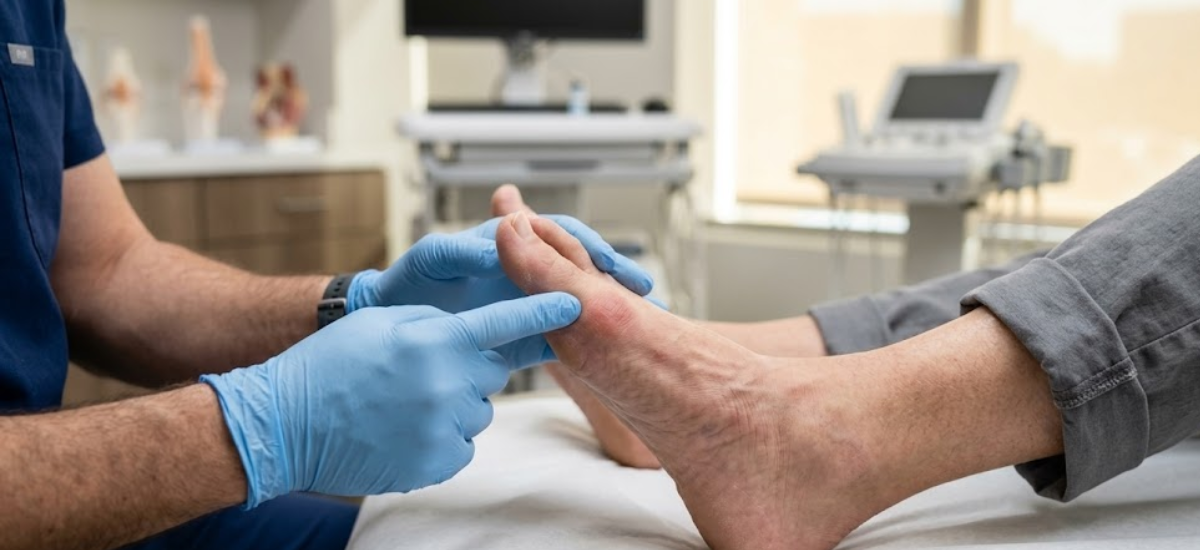
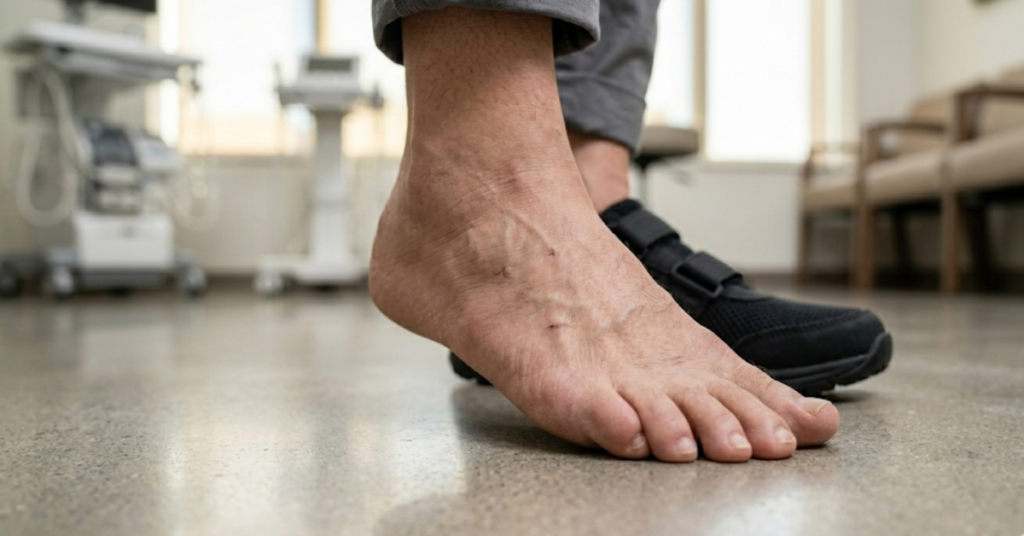
A bunion forms when the first metatarsal bone gradually shifts outward while the big toe angles inward toward the other toes. Over time, this creates a prominent bony bump at the base of the big toe that becomes inflamed, tender, and increasingly painful with activity or footwear.
Bunions affect an estimated 23 percent of adults between the ages of 18 and 65, and up to 36 percent of adults over age 65, according to published podiatric literature. Women are affected more commonly than men, though the condition is not exclusive to either group.
Conservative Treatments to Try First
Before surgery is considered, most patients benefit from non-surgical measures, including:
- Wider toe box shoes that accommodate the bunion without pressure
- Gel padding or bunion cushions to reduce friction against footwear
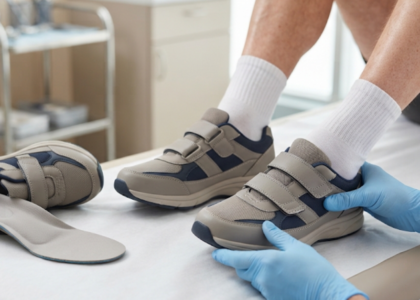
- Custom orthotics to redistribute pressure and support foot mechanics
- Anti-inflammatory medications to manage pain and swelling
- Activity modifications to reduce stress on the affected joint
These approaches can manage symptoms effectively but do not correct the underlying structural deformity. When pain begins interfering with daily activities, exercise, or the ability to comfortably wear shoes despite conservative care, surgery becomes a reasonable next step.
How Minimally Invasive Surgery Corrects a Bunion
Minimally invasive surgery for bunions uses specialized small-diameter instruments and incisions typically less than 5mm in size to access and correct the bony deformity. The surgeon carefully cuts and repositions the metatarsal bone, often using small screws or fixation devices to hold the correction in place while healing occurs.
The technique requires advanced surgical training and specialized instrumentation. The result, for appropriate candidates, is a meaningfully different patient experience compared to traditional open procedures.
How It Differs from Traditional Open Bunion Surgery
Traditional open bunion surgery requires a longer incision along the side of the foot to fully expose the joint and bone. While effective and widely performed, open surgery involves more soft tissue disruption, which can contribute to greater postoperative swelling, a longer recovery period, and a more visible scar.
Minimally invasive surgery for bunion offers several key differences:
- Incisions of 3 to 5mm compared to the 4 to 6cm incisions typical of open procedures
- Less disruption to the soft tissue and tendons surrounding the joint
- Reduced postoperative swelling and discomfort for many patients
- The ability to bear weight sooner during recovery in appropriate cases
- Minimal visible scarring after healing is complete
Both approaches can achieve excellent outcomes when performed by a skilled surgeon on the right patients. The best technique depends on the severity of the deformity, bone quality, activity level, and overall health.
What to Expect During the Procedure
The procedure is typically performed on an outpatient basis under local or regional anesthesia with sedation, meaning most patients go home the same day. The surgeon makes one or more small incisions near the bunion, inserts specialized instruments under fluoroscopic (live X-ray) guidance, and carefully repositions the metatarsal bone to restore alignment.
Small fixation screws stabilize the correction while the bone heals. The incisions are closed with a single stitch or medical adhesive and covered with a sterile dressing and a surgical walking shoe.
Recovery After Minimally Invasive Bunion Surgery
Recovery timelines vary based on the patient, the severity of the deformity, and the specific technique used. In general, the minimally invasive approach is associated with:
- Walking in a surgical boot or shoe beginning on the day of surgery in most cases
- Reduced postoperative swelling compared to traditional open techniques
- A transition to regular shoes typically between 6 and 12 weeks after surgery
- A gradual return to low-impact activity as bone and soft tissue healing progress
- Full recovery and return to all activities generally within 3 to 6 months
Patients with physically demanding jobs or active lifestyles will need additional recovery time before returning to full duties. Dr. Minhas provides detailed guidance on weight-bearing restrictions, activity timelines, and postoperative care based on each patient’s individual procedure and healing progress.
Who Is a Good Candidate for Minimally Invasive Bunion Surgery?
Minimally invasive techniques work best for patients with mild to moderate bunion deformities. Other factors that favor this approach include:
- Good bone quality without significant arthritis in the big toe joint
- Realistic expectations about outcomes and the recovery process
- Overall health appropriate for outpatient surgery
- Lifestyle goals that align with the expected recovery timeline
Patients with severe deformities, significant joint arthritis, or certain bone conditions may achieve better outcomes with traditional open surgery. This is precisely why a thorough evaluation is essential before any surgical decision is made.
At Sole Foot and Ankle, Dr. Minhas takes full-length standing X-rays to measure the angles of the deformity precisely before making any surgical recommendation. The evaluation also considers your lifestyle, footwear needs, and the outcomes that matter most to you. You can learn more about the full range of foot surgery options available in Valparaiso, IN.
Special Consideration for Patients with Diabetes
Patients with diabetes who have bunions or other foot deformities require careful planning before surgery. Diabetes affects circulation and wound healing, both of which directly influence surgical timing and the type of procedure that is safest. Dr. Minhas provides specialized diabetic foot care in Valparaiso, IN and coordinates surgical planning for diabetic patients with close attention to infection risk, healing capacity, and postoperative monitoring.
Why Minimally Invasive Techniques Are Growing in Foot Surgery
The field of minimally invasive foot and ankle surgery has expanded significantly over the past decade. As instrumentation has improved and surgical training has advanced, more podiatric surgeons are offering these techniques with consistent, reproducible results.
Published studies have demonstrated comparable or favorable correction rates with minimally invasive bunion procedures relative to traditional open surgery for appropriate patient populations. Patient satisfaction in reported case series has generally been high, with patients noting reduced scarring, less postoperative discomfort, and strong functional outcomes.
The continued development of fluoroscopic imaging, specialized cutting instruments, and percutaneous fixation devices has made it possible to achieve precise corrections through incisions that would have been unthinkable in foot surgery two decades ago. For patients exploring their options, this means more choices, less disruption, and a recovery experience that is far removed from what bunion surgery used to look like.
Frequently Asked Questions
How long does minimally invasive bunion surgery take?
The procedure typically takes between 45 and 90 minutes depending on the complexity of the deformity and whether one or both feet are being treated. It is performed on an outpatient basis and most patients go home within a few hours of the procedure.
Will I be able to walk after minimally invasive bunion surgery?
Most patients are able to walk in a surgical boot or shoe beginning on the day of surgery. Full weight-bearing in regular footwear depends on healing progress and the specific technique used. Many patients transition to regular shoes between 6 and 12 weeks after their procedure.
Is minimally invasive bunion surgery covered by insurance?
Coverage depends on your insurance plan and the specific procedure. When bunion surgery is medically necessary due to pain and functional limitation rather than cosmetic reasons, many insurance plans provide coverage. Our office staff can assist you in verifying your benefits and understanding your coverage before scheduling.
How do I know if I need surgery or if orthotics could help first?
For many patients, custom orthotics can significantly reduce bunion-related pain and slow the progression of the deformity without the need for surgery. Orthotics work by redistributing pressure across the foot and correcting the mechanics that contribute to bunion formation. If you have not already tried orthotics, Dr. Minhas may recommend this as a first step before discussing any surgical options.
Are bunions likely to come back after surgery?
Bunion recurrence is possible, particularly if the underlying causes such as foot mechanics or footwear habits are not addressed after surgery. Wearing appropriate shoes, using custom orthotics as recommended, and following postoperative care guidelines all protect the surgical correction over time. Recurrence rates are generally lower with modern fixation techniques than with older surgical approaches.
Take the Next Step Toward Bunion Relief
Bunion pain does not have to be permanent, and surgery does not have to mean months spent off your feet. Minimally invasive surgery has given many patients a path to lasting correction with less tissue disruption, a more comfortable recovery, and minimal visible scarring compared to traditional open techniques. The key is a thorough evaluation by an experienced podiatric surgeon to determine whether the approach is appropriate for your specific deformity and goals.
If bunion pain is limiting your daily life, it is time to find out what your options are.
Dr. Harpreet Minhas and the team at Sole Foot and Ankle are ready to help you find lasting relief from bunion pain and get back to the activities that matter most to you.
Call us at +1 219-464-9588 or visit solefootdoc.com to schedule your evaluation.
Sole Foot and Ankle
2308 Roosevelt Rd, Valparaiso, IN 46383
Sole Foot and Ankle. One Step Ahead.