
It wakes you up at 3 in the morning. Your big toe is on fire. The joint is swollen, hot, and so acutely tender that the weight of the bedsheet touching it is unbearable. You have not injured it. You have not done anything unusual. And by morning, you are limping. That is what gout in the foot can feel like.
If that experience sounds familiar, you may have had your first gout attack. Gout in the foot is one of the most painful acute conditions in all of medicine, and it is one of the most frequently undertreated. Research published in ACR Open Rheumatology in January 2025 found that nearly 72% of gout flares experienced by US adults were either not reported to physicians, self-treated, or prevented without professional guidance. That means the majority of people with active gout are managing one of the most complex metabolic joint diseases entirely on their own.
This guide explains what gout is, why it appears in the foot, what it feels like, how it is diagnosed, and what effective management actually involves.
What Is Gout?
Gout is a form of inflammatory arthritis caused by the deposition of monosodium urate (MSU) crystals in and around joints. It occurs when uric acid, a natural breakdown product of purines found in many foods and produced by the body during cell turnover, accumulates in the bloodstream at levels that exceed its solubility threshold. At that point, uric acid crystallizes and deposits in joint spaces, tendons, and surrounding soft tissue.
When the immune system recognizes these needle-shaped crystals as foreign material, it mounts an inflammatory response that produces the intense pain, swelling, redness, and heat characteristic of an acute gout attack. The inflammation is genuine and severe. Gout is among the most painful acute joint conditions in clinical medicine, and patients who have experienced both a gout attack and a fracture often describe the gout as more painful.
Approximately 9.2 million adults in the United States are estimated to have gout, representing a prevalence of approximately 3.9% of the adult population. Prevalence increases sharply with age, reaching 8.7% in individuals aged 80 or older and 8.6% among Medicare-eligible adults aged 65 and over. Gout affects men significantly more than women, with 76.3% of gout patients being male, though women’s risk rises substantially after menopause as declining estrogen removes a natural uricosuric effect.
Why Gout Appears in the Foot
The foot and the big toe specifically are the most common sites for gout attacks, and the reason is physiological rather than random. Uric acid crystallizes more readily at lower temperatures and in areas of the body where circulation is relatively reduced. The first metatarsophalangeal joint at the base of the big toe sits furthest from the heart, has lower tissue temperature than more proximal joints, and experiences enormous mechanical stress during walking and standing, all of which facilitate crystal deposition.
Big toe and ankle and foot involvement affect 76% and 50% of gout patients respectively, while at the primary care level, 53% of gout flares affected the big toe, with other areas of the foot and ankle comprising 18% of episodes.
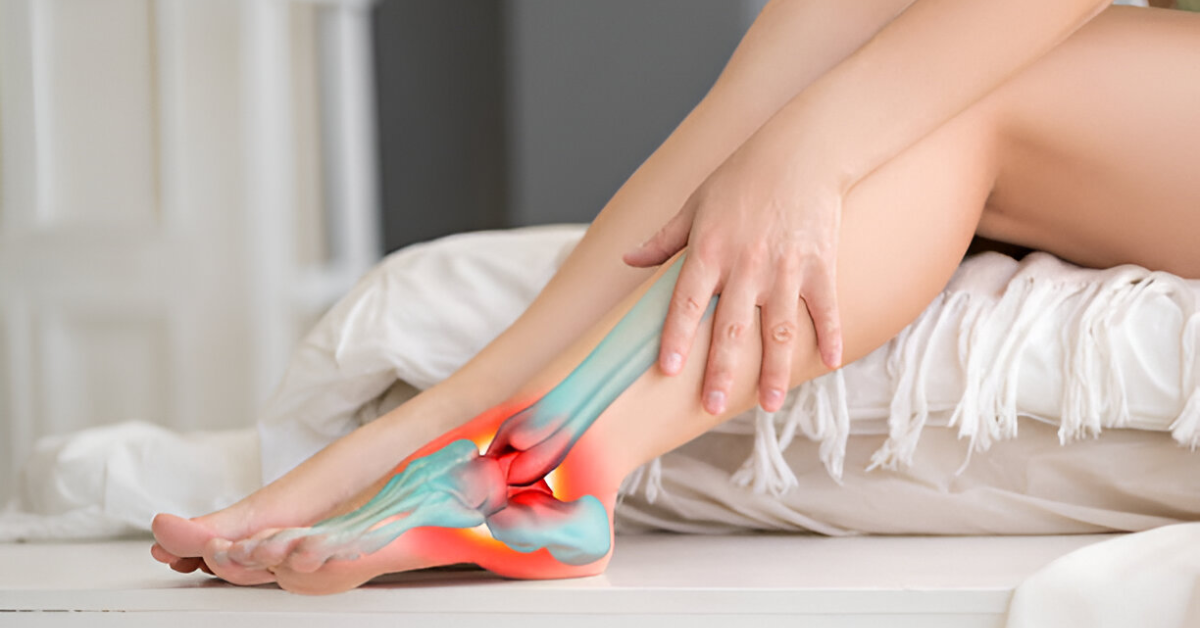
The podiatric significance of this distribution is important. Gout in the foot is not limited to the big toe, even though that is the classic presentation. The ankle, midfoot, heel, and dorsal foot are all common sites of both acute flares and the chronic crystal deposits that develop in undertreated gout. Beyond flares, nonspecific complaints focused on feet and ankles are commonly stated by patients with gout in clinical practice, such as persistent walking pain, stiffness and numbness.
The Stages of Gout
Understanding how gout progresses helps explain why early diagnosis and consistent management matter so much.
Asymptomatic Hyperuricemia
This is the first stage, in which uric acid levels in the blood are elevated but no symptoms have yet occurred. Crystal deposition may already be beginning in joints without producing inflammation. This stage can persist for years before a first attack.
Acute Gout Attack
This is the stage most patients associate with the condition. It is characterized by sudden onset of severe joint pain, swelling, redness, and warmth, typically reaching peak intensity within 12 to 24 hours. Without treatment, attacks typically resolve over one to two weeks. With appropriate treatment, resolution is significantly faster.
Intercritical Gout
This is the period between attacks during which the patient is symptom-free. This stage is clinically deceptive because the absence of symptoms does not mean the underlying disease process has stopped. Crystal deposition continues during intercritical periods, and the risk of the next attack remains high without management. The total gout flare burden for US adults with gout was 6.6 flares per year.
Chronic Tophaceous Gout
This stage develops when gout goes untreated or undertreated for years. Urate crystals accumulate into deposits called tophi, visible nodules that form under the skin around joints and in soft tissue. At this stage, joint destruction, chronic pain between flares, and functional limitation become permanent features of the condition.
What Gout in the Foot Feels Like
The symptom pattern of an acute gout attack in the foot is distinctive enough that experienced clinicians can diagnose it reliably on clinical presentation alone, though laboratory confirmation is still important.
The onset is typically sudden, often overnight or in the early morning hours when body temperature drops. The affected joint becomes rapidly swollen, hot to the touch, and intensely red. The pain is described as severe, throbbing, or crushing, and the joint is exquisitely tender, so tender that even light contact, the pressure of a bedsheet, a sock, or footwear, can be agonizing.
The big toe MTP joint is the classic location, a presentation historically known as podagra. But the ankle, heel, instep, and lesser toe joints can all be the primary site of a gout attack, particularly in patients who have had multiple prior episodes.
Gout attacks commonly follow identifiable triggers. Dehydration is a common trigger for gout flares in 30% of cases. Other well-documented triggers include purine-rich foods such as red meat, organ meats, and shellfish, alcohol particularly beer and spirits, diuretic medications which raise serum urate by reducing renal uric acid excretion, illness or surgery, and significant changes in fluid intake.
The holiday season, specifically October through January, is a high-risk period for gout flares in the United States because of the convergence of richer food consumption, increased alcohol intake at celebrations, travel-related dehydration, and weather changes. Patients with a known gout diagnosis should be particularly vigilant during these months.
What Gout in the Foot Is Not
Gout is not the only condition that produces acute foot swelling and pain, and misdiagnosis is clinically significant because the treatment differs substantially. Gout diagnoses solely based on clinical data misclassify up to one out of four patients. The conditions most commonly confused with acute gout in the foot include the following.
Pseudogout is caused by calcium pyrophosphate crystal deposition rather than urate crystals. It produces very similar acute inflammatory arthritis but is more common in the knee and wrist than the foot and does not respond to urate-lowering therapy.
Septic arthritis is a bacterial infection of the joint space that produces acute swelling, heat, redness, and severe pain, mimicking gout in its presentation. It is a medical emergency requiring immediate antibiotic treatment and joint drainage. Any patient with acute joint inflammation and fever or systemic symptoms should be evaluated urgently to rule out septic arthritis before gout is assumed.
Reactive arthritis is a post-infectious inflammatory arthritis that can affect foot joints and produce an acute presentation similar to gout.
Cellulitis is a soft tissue bacterial infection that can produce redness and swelling around a foot joint without involving the joint itself, and it can be difficult to distinguish from acute gout on visual inspection alone. Left untreated, an infection can spread quickly and become serious.
Stress fracture of the foot produces localized pain and swelling that can occasionally be confused with gout, particularly at the midfoot.
The key clinical point is that any patient presenting with acute foot joint swelling should be properly evaluated rather than self-diagnosed, because the consequences of missing septic arthritis or mismanaging a stress fracture are significant.

Dealing with foot or ankle pain? Call Sole Foot & Ankle at 219-464-9588 or request an appointment.
How Gout in the Foot Is Diagnosed
Accurate diagnosis of gout in the foot involves several complementary approaches.
Clinical assessment evaluates the joint distribution, onset pattern, and resolution history. The classic presentation of sudden-onset first MTP joint inflammation with spontaneous resolution over one to two weeks is highly suggestive of gout and allows reliable clinical diagnosis when the full picture is present.
Serum uric acid is an important supporting test but requires careful interpretation. Uric acid levels can paradoxically drop during an acute attack as urate shifts from the blood into the inflamed joint, meaning a normal level during an active flare does not exclude the diagnosis. Levels should be checked during asymptomatic periods for the most accurate assessment.
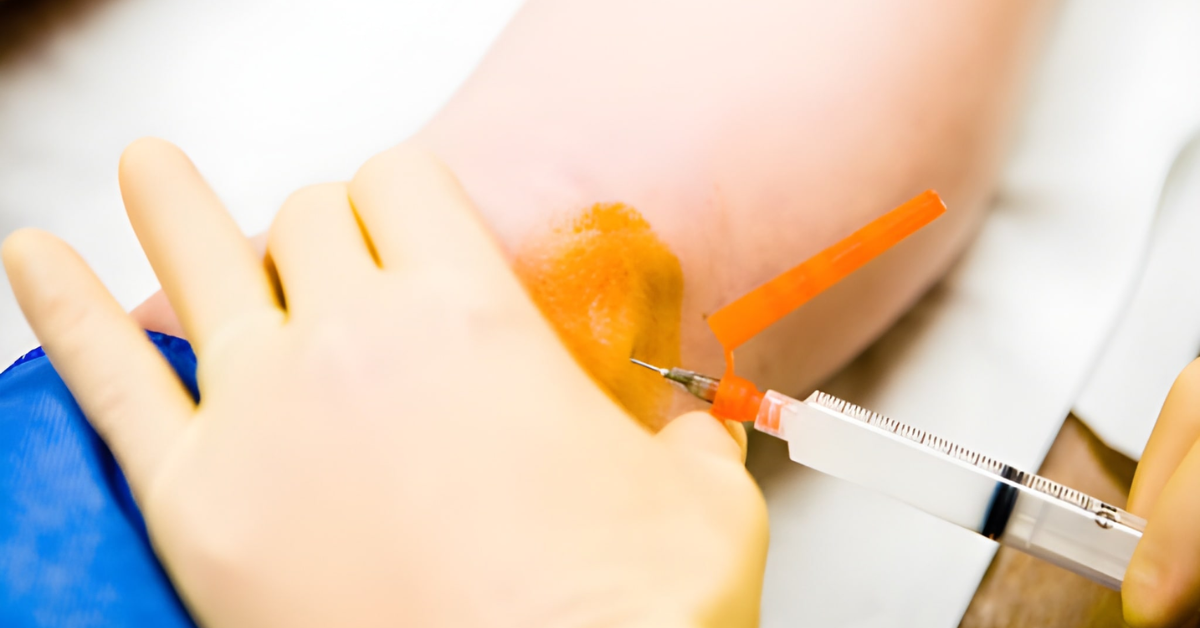
Synovial fluid analysis remains the gold standard for definitive diagnosis. Joint aspiration with microscopic identification of negatively birefringent needle-shaped urate crystals confirms the diagnosis with certainty and simultaneously rules out septic arthritis, the most important alternative diagnosis.
Imaging including X-ray, ultrasound, and dual-energy CT all play roles in diagnosis and monitoring. Ultrasound can identify the double contour sign characteristic of urate crystal deposition on cartilage surfaces. Dual-energy CT provides three-dimensional mapping of urate deposits throughout the foot and is increasingly used for diagnosis in atypical presentations and for monitoring treatment response.
Treatment of Gout in the Foot
Gout treatment has two distinct phases with different goals. Treating the acute flare and managing the underlying disease to prevent future attacks and joint destruction are separate, complementary objectives.
Treating an Acute Gout Attack
The goal of acute treatment is rapid reduction of joint inflammation. Three first-line options are supported by clinical evidence, with the choice depending on patient comorbidities, other medications, and preferences.
Nonsteroidal anti-inflammatory drugs (NSAIDs) such as indomethacin or naproxen are effective for acute flares when started early and continued for the duration of the attack. They are not appropriate for patients with significant kidney disease, peptic ulcer disease, or cardiovascular contraindications.
Colchicine is particularly effective when started within the first 12 to 24 hours of an attack. Low-dose colchicine, 1.2 mg followed by 0.6 mg one hour later, has been shown to be as effective as higher doses with significantly fewer gastrointestinal side effects. It is the preferred option for many patients who cannot tolerate NSAIDs.
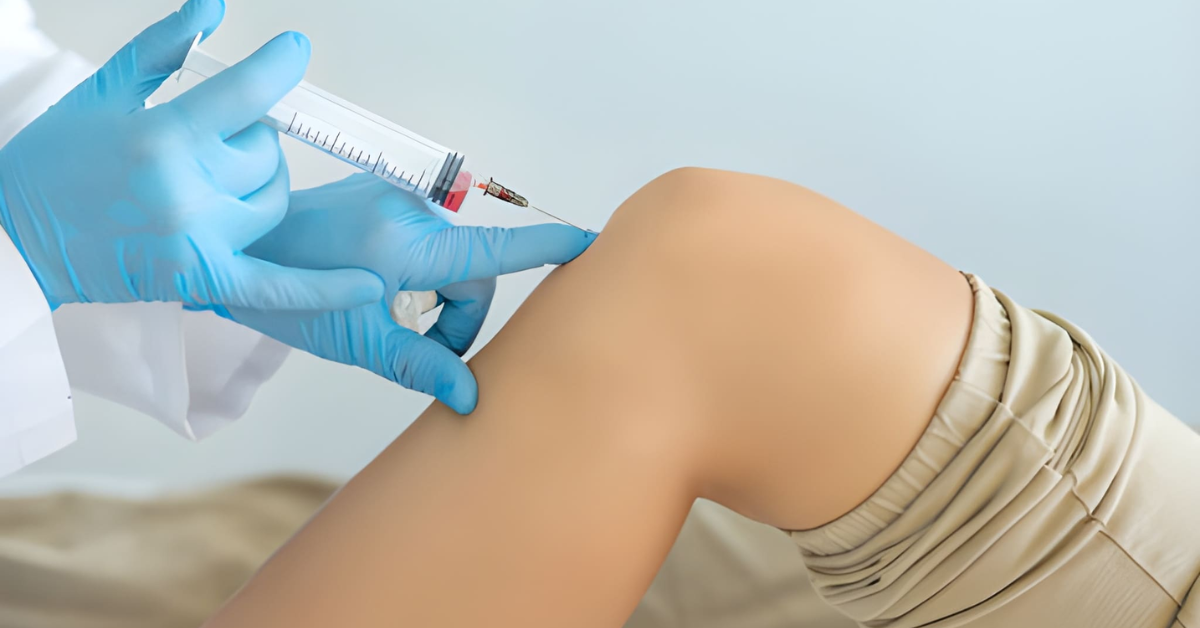
Corticosteroids, either oral or injected directly into the affected joint, provide rapid and effective anti-inflammatory relief and are the preferred option for patients who cannot take NSAIDs or colchicine due to kidney disease, drug interactions, or other contraindications.
Supportive measures during an acute attack include rest, elevation of the affected foot, ice applied indirectly through a cloth, and avoidance of any footwear that compresses the inflamed joint.
Long-Term Gout Management
Treating individual attacks without addressing the underlying hyperuricemia is the most common failure mode in gout management. Long-term management targets the root cause, elevated serum urate, and aims to keep urate levels below the crystallization threshold, typically below 6 mg/dL for most patients and below 5 mg/dL for patients with tophi or frequent flares.
Urate-lowering therapy (ULT) with allopurinol is the most widely used long-term treatment. It reduces uric acid production by inhibiting xanthine oxidase, the enzyme responsible for the final step of uric acid synthesis. Febuxostat is an alternative for patients who cannot tolerate allopurinol. Despite the clear evidence for ULT in preventing joint damage and recurrent flares, the prevalence of urate-lowering therapy use among patients with gout was only 33%, reflecting the substantial undertreatment of this condition in clinical practice.
Dietary and lifestyle modification supports but generally does not replace pharmacological management in patients with established gout. Reducing purine-rich foods including red meat, organ meats, shellfish, and high-fructose corn syrup, minimizing alcohol particularly beer and spirits, staying well hydrated, and achieving a healthy body weight all reduce serum urate levels and decrease flare frequency. Metabolic syndrome is present in approximately 63% of gout patients, making the cardiovascular and metabolic aspects of gout management clinically important alongside joint-specific treatment.
Podiatric Management of Gout Foot Complications
Beyond systemic management, the foot-specific consequences of gout require podiatric attention that primary care and rheumatology may not fully address.
Tophi over the foot and ankle joints can cause skin breakdown, secondary infection, and mechanical joint damage. Surgical excision of tophi is sometimes necessary when they create persistent wound risk or limit footwear tolerance.
Joint damage from chronic gout requires orthotic management to redistribute pressure away from damaged joint surfaces and reduce pain during walking. Custom orthotics are particularly important for patients with midfoot or ankle gout who have developed structural changes that alter their gait mechanics.
Footwear prescription is an important component of managing gout in the foot because standard footwear frequently cannot accommodate the swelling, tophi, or joint deformity that chronic gout produces. Extra-depth shoes with accommodative insoles and minimal pressure on affected joint areas reduce pain and the risk of skin breakdown over tophaceous deposits.
Gout in Diabetic Patients: An Elevated Risk Profile
For patients with diabetes, gout carries additional clinical significance. Hyperuricemia and gout are significantly more prevalent in patients with metabolic syndrome and insulin resistance, which frequently coexist with type 2 diabetes. Kidney disease, which is common in diabetic patients, reduces uric acid excretion and raises serum urate levels.
The anti-inflammatory medications used to treat acute gout attacks, particularly NSAIDs and corticosteroids, require careful consideration in diabetic patients. NSAIDs carry elevated risk of renal toxicity in patients with diabetic nephropathy. Corticosteroids produce transient but significant blood glucose elevation that must be managed in diabetic patients receiving them for acute gout.
Diabetic patients with foot gout also face the compound risk of gout-related inflammation occurring in a foot that has existing neuropathy and vascular compromise. An acutely inflamed gout foot that cannot be properly offloaded and protected carries elevated risk of skin breakdown and secondary infection in this population.
Frequently Asked Questions About Gout in the Foot
How do I know if my foot pain is gout or something else?
The pattern of gout in the foot is fairly distinctive: sudden onset, typically overnight, with severe pain at a specific joint, most often the big toe, accompanied by swelling, redness, and heat so intense that light touch is painful. The attack often resolves within one to two weeks without treatment. However, several other conditions including septic arthritis, pseudogout, and reactive arthritis can look similar. Any first presentation of acute joint swelling should be professionally evaluated rather than assumed to be gout, because missing septic arthritis is clinically dangerous.
Can gout go away on its own?
An acute gout attack will typically resolve spontaneously within one to two weeks without treatment. However, the underlying hyperuricemia that causes attacks does not resolve on its own. Without treatment, attacks return, typically with increasing frequency and duration, and the disease progresses toward chronic tophaceous gout with permanent joint damage. Self-resolving attacks should not be taken as evidence that the condition is controlled.
What foods trigger gout attacks in the foot?
The highest-purine foods most strongly associated with gout flares include red meat, organ meats such as liver and kidney, shellfish particularly mussels, scallops, and anchovies, and alcohol especially beer and spirits. High-fructose corn syrup found in sweetened beverages also raises serum urate through a different metabolic pathway. Dairy products, particularly low-fat dairy, are associated with a mildly lower gout risk. Dietary modification alone is rarely sufficient to normalize serum urate in established gout but meaningfully complements pharmacological management.
Why does gout come back even when I change my diet?
Diet accounts for a relatively small portion of serum urate for most patients. Approximately 80% of uric acid production is endogenous, meaning it comes from cell turnover within the body rather than from food. For patients with significant hyperuricemia, dietary changes alone typically produce modest reductions in serum urate that are insufficient to prevent crystallization. Urate-lowering medications such as allopurinol address the endogenous production component and are necessary for most patients with recurrent gout.
When should I see a podiatrist for gout?
A podiatric evaluation is appropriate when gout affects the foot specifically, because the foot-specific consequences of the condition including joint damage, tophus formation, footwear challenges, and gait changes require management beyond what systemic gout treatment addresses. If you have experienced more than two gout attacks in the past year, have visible tophi on your feet or ankles, have persistent foot pain between attacks, or are having difficulty finding footwear that accommodates your foot, a podiatric evaluation adds important value to your overall gout care.
Getting Help for Gout in the Foot in Valparaiso, IN
For patients in Valparaiso, Portage, Chesterton, Merrillville, and throughout Northwest Indiana dealing with gout in the foot, Dr. Harpreet Minhas at Sole Foot & Ankle provides comprehensive podiatric evaluation and management that addresses the foot-specific consequences of gout alongside coordination with the patient’s rheumatologist and primary care physician for systemic management.
Evaluation includes clinical assessment of joint involvement and tophus distribution, X-ray and ultrasound imaging of affected foot joints, gait analysis to identify the mechanical consequences of joint damage, custom orthotic prescription for pressure redistribution, and therapeutic footwear guidance for patients whose feet can no longer be accommodated in standard shoes.
Ready to Get Back on Your Feet?
If a sudden, red and painful joint in your foot keeps flaring up, Dr. Harpreet Minhas at Sole Foot & Ankle in Valparaiso can confirm whether it's gout and help you prevent the next attack.