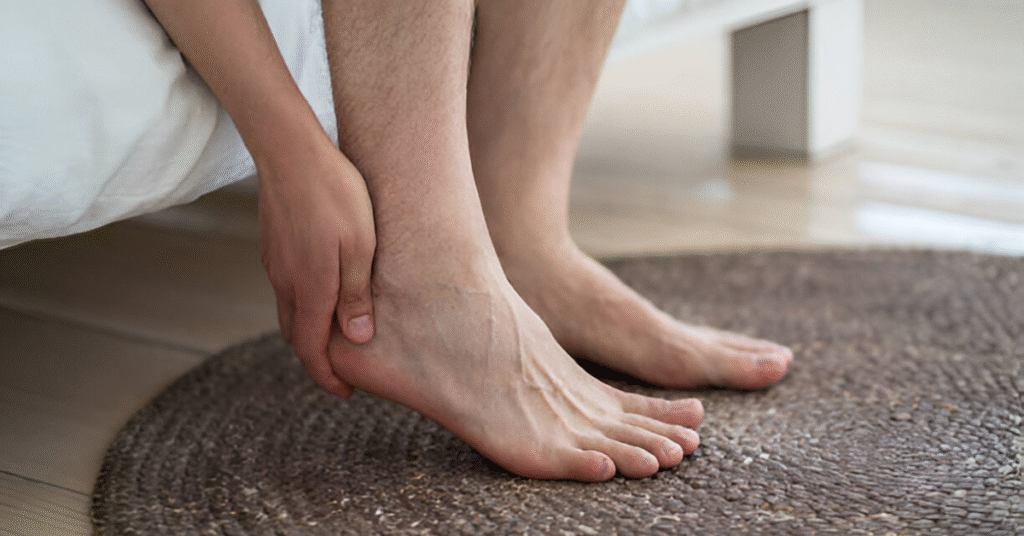
Diabetic Heel Pain: Causes, Care & When to See a Doctor
Dealing with diabetIc heel pain? Learn the causes, warning signs, and treatment options from Sole Foot and Ankle in Valparaiso, IN. Call today for expert care.

Dealing with diabetIc heel pain? Learn the causes, warning signs, and treatment options from Sole Foot and Ankle in Valparaiso, IN. Call today for expert care.
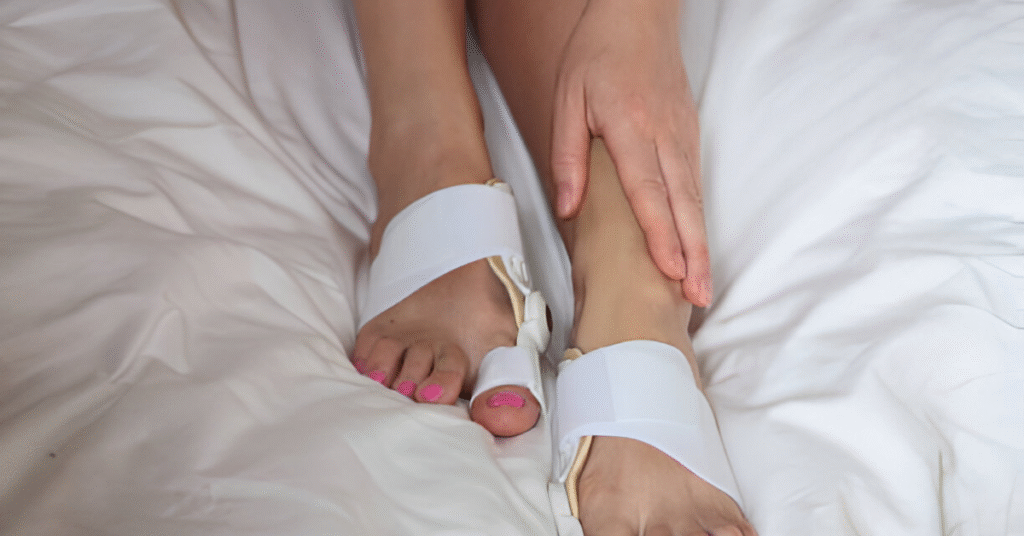
Discover if bunion correctors really work, how they relieve pain, and their effectiveness. Get expert insights on bunion correctors now!
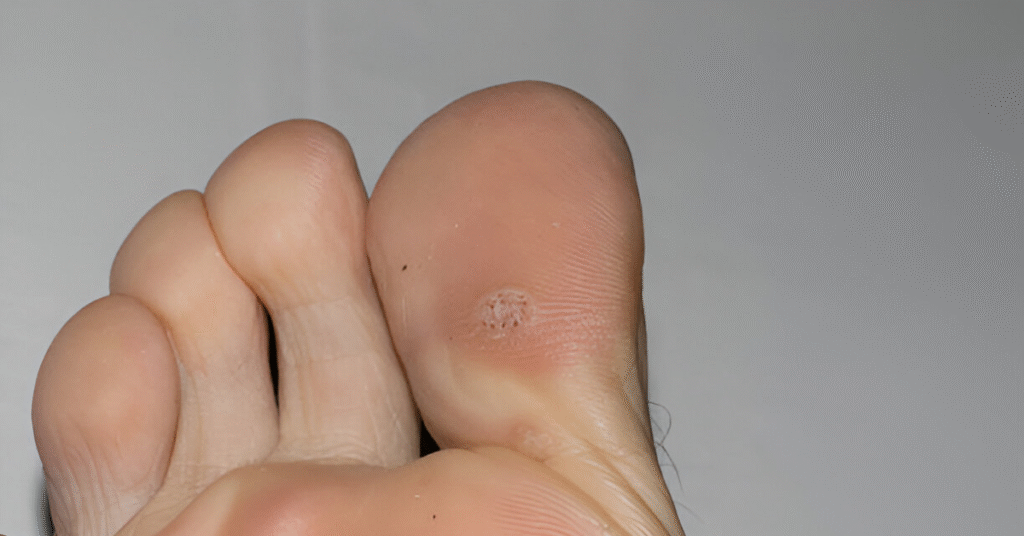
If you’ve noticed a painful bump on the bottom of your foot, especially around the heel or ball of the foot, it might be plantar warts. These growths are common and can appear when you least expect them, especially after walking barefoot in public areas. At Sole Foot and Ankle, one of the most common concerns we hear is: “Can plantar warts spread to others or to other parts of my own foot?” Let’s break it down. Quick Facts What Exactly Is a Plantar Wart? A plantar wart is a small, grainy growth that forms on weight-bearing areas of the foot. Unlike warts on your hands or knees, these grow inward due to the pressure of standing and walking. Common signs include: What Causes These Growths to Appear? Plantar warts come from specific strains of HPV, a virus that thrives in warm, moist places. It often spreads in public areas like: The virus enters the skin through minor cuts, blisters, or softened areas, like those you might get after soaking your feet for a long time. Can They Spread to Others? Yes, but not through casual touch. Unlike cold viruses, plantar wart-causing HPV spreads indirectly. You can contract the virus by: Why Some People Get Plantar Warts and Others Don’t Even if two people are exposed to the virus, only one might develop a wart. That’s because the immune system plays a major role. People more likely to develop plantar warts include: How to Lower the Risk of Spreading Whether you’re trying to protect yourself or others, here are ways to reduce your chances of developing or spreading these warts: What to Do: What Not to Do: Treatment Options That Actually Work Some plantar warts disappear on their own, especially in healthy children, but others stick around and become painful. That’s when treatment helps. Home Remedies (May Work for Minor Cases) Professional Plantar Wart Treatment at Sole Foot and Ankle For stubborn, painful, or recurring warts, we offer: We also assess how your walking pattern (gait) might contribute to pressure buildup, which can encourage warts to linger. When to See a Podiatrist Make an appointment if: Early treatment prevents the condition from worsening or spreading to others. A Note from Sole Foot and Ankle Plantar warts aren’t dangerous, but they can cause real discomfort and frustration—especially if they linger. At Sole Foot and Ankle, we treat these growths with safe, effective methods tailored to your foot type and lifestyle. If you suspect a wart or want expert advice, call our Valparaiso clinic at 219‑464‑9588 or schedule a visit online. We’re here to keep you active and comfortable. Frequently Asked Questions
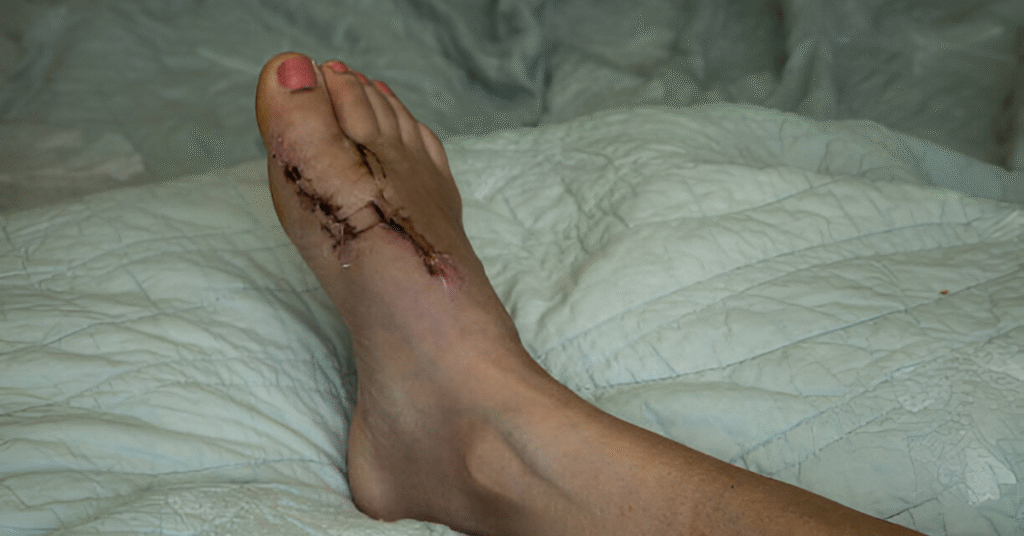
Introduction Bunions can make everyday movement painful, limit your footwear choices, and cause inflammation or even deformity in your feet. For many patients, bunion surgery becomes a necessary step toward long-term relief. At Sole Foot and Ankle in Valparaiso, we help patients understand every aspect of the procedure—including potential risks such as nerve damage. While complications are rare, it’s important to be informed before making treatment decisions. Key Takeaways What Is Bunion Surgery? Bunion surgery, also called a bunionectomy, is performed to correct a bony bump that forms at the base of the big toe. This bump is caused by a misalignment of the joint. Over time, it can cause discomfort, swelling, and joint stiffness. The goal of bunion surgery is to realign the toe, relieve pain, and restore function. Multiple surgical methods exist, depending on the severity of the bunion and the patient’s lifestyle. Procedures may involve bone shaving, tendon realignment, or joint fusion. While most patients experience excellent outcomes, any surgical procedure carries risk—including nerve irritation or injury. Causes and Risk Factors for Nerve Damage Nerve damage after bunion surgery is uncommon, but it can occur. Nerves in the foot are delicate and may be affected during: Additional Risk Factors: Foot doctors take every precaution to prevent nerve-related complications. Symptoms to Watch For If nerve irritation or injury occurs after bunion surgery, symptoms may include: These symptoms are usually temporary and improve with time. However, it’s important to report them early to your podiatrist near you. Diagnosis and Testing At Sole Foot and Ankle Valparaiso, our podiatrists carefully evaluate post-surgical nerve health. Diagnostic Tools May Include: If nerve damage is suspected, early intervention supports better healing outcomes. Treatment Options for Nerve Complications Fortunately, most cases of nerve irritation after bunion surgery resolve on their own. When symptoms persist, treatment may include: Treatment Option Purpose Who It’s Best For Anti-inflammatory Medication Reduces swelling and nerve compression Mild nerve irritation Physical Therapy Improves mobility and nerve function Ongoing numbness or weakness Topical Creams Relieve tingling or burning sensations Localized nerve discomfort Nerve Regeneration Vitamins Support nerve repair (e.g., B-complex) Diabetic or at-risk patients Nerve Block Injections Reduce severe, localized nerve pain Chronic nerve pain after surgery Surgical Nerve Release Frees trapped or scarred nerves Rare cases unresponsive to conservative care Preventive Care Tips You can reduce your risk of nerve damage from bunion surgery by: Being proactive about healing improves both comfort and outcomes. When to See a Podiatrist If you’ve had bunion surgery and notice numbness, tingling, or pain that doesn’t go away, don’t wait. Seeing a podiatrist in Valparaiso early allows for prompt evaluation and tailored treatment. Even if you haven’t had surgery yet, but are experiencing bunion pain, visiting a foot doctor near you can help you avoid complications down the line. A Note from Sole Foot and Ankle At Sole Foot and Ankle in Valparaiso, we understand how important it is to move through life without foot pain. Whether you’re considering bunion surgery or need help recovering from one, our team is here to guide you every step of the way. Our expert podiatrists in Valparaiso, Indiana, offer compassionate care and advanced surgical techniques designed to reduce risks and maximize results. If you’re looking for a trusted podiatrist near you, schedule a consultation today. We’re here to help you walk comfortably again. Frequently Asked Questions Is nerve damage after bunion surgery permanent? In most cases, no. Nerve-related symptoms are usually temporary and improve with rest, therapy, or medication. Permanent damage is rare when surgery is performed by an experienced podiatrist Valparaiso Indiana. How common is nerve damage after bunion surgery? It’s uncommon. Most patients recover without experiencing nerve issues. When it does happen, it’s usually mild and treatable. What are the side effects of bunion surgery? Common side effects include swelling, bruising, temporary stiffness, and mild discomfort. Rare complications may involve infection or nerve irritation. How do you know if you have nerve damage in your foot after surgery? Signs include numbness, tingling, burning, or weakness in the foot or toes. If these symptoms persist, you should see a Valparaiso podiatrist promptly. Does bunion cause nerve damage? Yes, in some cases. A large bunion may press on nearby nerves, causing pain or tingling. Surgery can relieve this pressure and restore comfort.

Introduction Foot pain from plantar fasciitis can disrupt your entire day—from those first painful steps in the morning to fatigue and discomfort by evening. At Sole Foot and Ankle in Valparaiso, we see many patients dealing with this common yet treatable condition. One of the most effective tools for relief? Plantar fasciitis exercises. These targeted stretches and movements not only ease heel pain but also prevent the condition from returning. In this guide, we’ll walk you through what plantar fasciitis is, why it happens, and the most beneficial exercises to help you heal and stay pain-free. Key Takeaways What Is Plantar Fasciitis? Plantar fasciitis is caused by inflammation of the plantar fascia, a thick band of tissue that runs along the bottom of your foot. This ligament supports your arch and absorbs shock while you walk. When overstressed, the fascia can tear or tighten, leading to sharp pain—especially in the heel. The condition affects people of all activity levels and is often worsened by prolonged standing or poor foot mechanics. Fortunately, consistent plantar fasciitis exercises can ease discomfort, strengthen foot muscles, and restore mobility. Causes and Risk Factors What Causes Plantar Fasciitis? Plantar fasciitis develops due to stress and microtears in the plantar fascia. This strain can result from: Risk Factors Your risk increases if you: Symptoms to Watch For Plantar fasciitis often presents with: If you’re experiencing these symptoms, incorporating plantar fasciitis exercises into your daily routine may help alleviate discomfort. Diagnosis and Testing At podiatrists perform a comprehensive evaluation to diagnose plantar fasciitis. What to Expect: We often recommend plantar fasciitis exercises as part of a first-line, non-invasive treatment plan. Treatment Options We approach plantar fasciitis holistically. Many patients benefit from a combination of therapy, footwear changes, and plantar fasciitis exercises. Treatment Option Purpose Who It’s Best For Plantar Fasciitis Exercises Stretch fascia and support healing Most patients with mild to moderate symptoms Physical Therapy Strengthen supportive muscles and improve motion Patients with recurring pain or poor mechanics Custom Orthotics Support arches and correct foot posture Flat feet or overpronators Night Splints Maintain foot stretch overnight Morning heel pain sufferers Proper Footwear Reduce foot strain Those wearing worn-out or unsupportive shoes Anti-inflammatory Meds Manage swelling and pain Acute or flare-up pain relief Injections Target severe inflammation Chronic or unresponsive cases Plantar Fasciitis Exercises Adding plantar fasciitis exercises to your daily routine is one of the best ways to relieve pain and prevent future flare-ups. Here are five essential exercises we recommend at Sole Foot and Ankle: 1. Calf Stretch How to do it: This stretch targets tight calf muscles—a common contributor to plantar fasciitis. 2. Towel Stretch How to do it: This stretch loosens the plantar fascia and improves flexibility. 3. Foot Roll How to do it: This self-massage relaxes the fascia and reduces inflammation. 4. Toe Curls How to do it: This exercise strengthens your foot muscles and supports arch stability. 5. Heel Raises How to do it: Heel raises improve foot strength and prevent re-injury. Reminder: For best results, do these plantar fasciitis exercises daily and avoid rushing. Focus on form and consistency. Preventive Care Tips Even after your symptoms improve, prevention remains essential. Here’s how to avoid future flare-ups: When to See a Podiatrist If your heel pain persists after trying plantar fasciitis exercises at home, it’s time to consult a professional. Early intervention can prevent chronic pain and speed up healing. A podiatrist in Valparaiso, like those at Sole Foot and Ankle, can evaluate your foot mechanics, recommend the right treatment, and guide you through a safe recovery process. A Note from Sole Foot and Ankle At Sole Foot and Ankle in Valparaiso, we understand how frustrating foot pain can be. Whether you’re just beginning to feel heel discomfort or have struggled with plantar fasciitis for months, our experienced podiatrists are here to help. We’ll walk beside you—from diagnosis through recovery—with custom treatment plans, including easy-to-follow plantar fasciitis exercises that support healing and prevent future issues. Frequently Asked Questions (FAQs) What is the best exercise for plantar fasciitis? One of the most effective exercises for plantar fasciitis is the towel stretch. It targets the plantar fascia and calf muscles, reducing tightness and improving flexibility. To do it, sit with your legs extended, loop a towel around the ball of your foot, and gently pull toward you while keeping your knee straight. Hold for 30 seconds and repeat 2–3 times per foot. What is the fastest way to heal plantar fasciitis? The fastest healing comes from a combination of rest, plantar fasciitis exercises, supportive footwear, and early treatment from a podiatrist. Icing the heel, avoiding high-impact activities, and using custom orthotics can also speed up recovery. The key is consistency and not ignoring symptoms. What not to do in plantar fasciitis? Avoid walking barefoot on hard surfaces, wearing flat or unsupportive shoes, or pushing through pain during exercise. High-impact workouts, sudden increases in activity, and skipping stretches can worsen symptoms. It’s also important not to ignore early signs—prompt care leads to faster relief. How do you self-release plantar fasciitis? You can self-release tension in the plantar fascia by rolling your foot over a frozen water bottle, tennis ball, or massage roller for 2–3 minutes. This helps reduce inflammation and tightness. Combine this with stretching exercises and avoid standing for long periods without support.
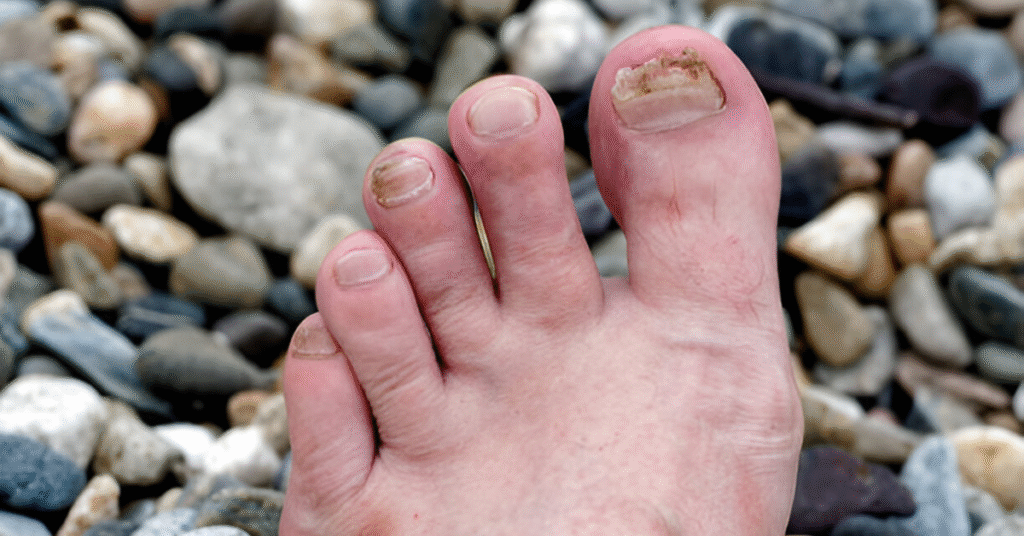
Introduction Toenail fungus can be more than a cosmetic concern—it can cause discomfort, disrupt daily routines, and spread if left untreated. At Sole Foot and Ankle in Valparaiso, our team understands how frustrating and persistent toenail fungus can be. Whether you’re noticing changes in your nails or struggling with ongoing infections, our podiatrists are here to provide expert care and guide you through treatment options that work. This blog explains what toenail fungus is, what causes it, how to recognize symptoms early, and what treatments are available—so you can make informed decisions and take steps toward healthier feet. Key Takeaways What Is Toenail Fungus? Toenail fungus, also called onychomycosis, is a fungal infection that affects the nails—most often the toenails. Fungi invade through tiny cracks in the nail or surrounding skin, causing the nail to become thick, discolored, and brittle over time. This condition is commonly seen in adults but can affect people of all ages. When left untreated, the infection can spread to other nails or the surrounding skin. This may lead to discomfort when walking, embarrassment, or secondary infections. At Sole Foot and Ankle, we often treat toenail fungus in patients who want both relief and confidence restored. Causes and Risk Factors for Toenail Fungus How Does Toenail Fungus Start? Fungi such as dermatophytes are responsible for most nail infections. These organisms thrive in environments that are warm, dark, and moist—exactly like the inside of your shoes. Risk Factors Several factors can increase your risk of developing toenail fungus: Symptoms to Watch For Toenail fungus often develops slowly, making early symptoms easy to overlook. Watch for the following signs: Diagnosis and Testing At Sole Foot and Ankle in Valparaiso, our podiatrists use a detailed approach to confirm toenail fungus. Treatment Options Effective treatment depends on the severity and type of fungal infection. At Sole Foot and Ankle, our podiatrists design personalized plans that target the root of the problem. Treatment Option Purpose Who It’s Best For Topical Antifungal Creams Kill fungus on the surface of the nail Mild infections; early-stage cases Oral Antifungal Medication Targets infection from within Moderate to severe infections; faster results Laser Therapy Uses light to destroy fungus deep inside Patients who prefer a drug-free, non-invasive option Nail Debridement Reduces thickness and removes infected nail Severe or painful infections Antifungal Nail Lacquer Applied like nail polish to inhibit fungus Patients seeking convenience and cosmetic care Many treatments require consistency and patience. Fungal nails can take months to grow out fully clear, even with effective treatment. Preventive Care Tips You can reduce your chances of developing toenail fungus or reinfection with a few simple steps: When to See a Podiatrist Toenail fungus doesn’t usually go away on its own—and the longer it’s ignored, the harder it becomes to treat. Seeing a podiatrist early can prevent long-term nail damage, pain, or spread to other toes. If you’ve noticed changes in your toenails that aren’t improving, our team can help. You don’t have to live with thick, brittle, or discolored toenails. Get answers and treatment from a trusted foot doctor near you. A Note from Sole Foot and Ankle At Sole Foot and Ankle in Valparaiso, our mission is to help you move through life without pain, embarrassment, or uncertainty. Toenail fungus may seem minor, but it can affect your quality of life more than you realize. Our podiatrists provide compassionate, personalized care for every patient—and we’ll guide you through diagnosis, treatment, and prevention. Whether you’re searching for a podiatrist or simply need expert advice, we’re here to help you feel your best—starting from the ground up. Schedule a consultation today Frequently Asked Questions (FAQs)

Introduction Living with diabetes means paying close attention to your foot health. Even minor injuries or pressure points can lead to serious complications if not managed properly. One of the most effective tools in preventing diabetic foot issues is diabetic shoes(Therapeutic shoes). These specially designed shoes help reduce the risk of skin breakdown, ulcers, and infections—all while providing comfort and support. At Sole Foot and Ankle in Valparaiso, we often recommend them to patients who are managing diabetes and at risk for foot complications. This guide will explain what they are, how they work, and when to consider them as part of your diabetic care plan. Key Takeaways Overview: What Are Diabetic Shoes? Diabetic shoes—also known as therapeutic shoes—are medically approved footwear designed to protect sensitive feet from complications that arise due to diabetes-related neuropathy and poor circulation. These shoes help: Unlike standard footwear, diabetic shoes are constructed with soft inner linings, minimal seams, shock-absorbing soles, and additional depth to accommodate custom insoles. Who Needs Diabetic Shoes? Therapeutic shoes are typically recommended for patients who have: Your podiatrist can evaluate your feet and determine if diabetic shoes are right for you. Symptoms and Causes: Why Diabetic Feet Need Extra Care Diabetes can impair the nerves and blood vessels in your feet, making it difficult to feel pain or pressure. This condition—called peripheral neuropathy—can lead to unnoticed injuries that may become infected. In severe cases, it can even result in amputation. Common Issues Diabetic Shoes Help Prevent: Causes of Diabetic Foot Problems: By wearing therapeutic shoes prescribed by a foot doctor, many of these problems can be prevented or managed effectively. Diagnosis and Testing Before recommending diabetic shoes, your podiatrist will conduct a comprehensive foot exam. This typically includes: At Sole Foot and Ankle, we may also take custom molds or measurements of your feet to ensure your therapeutic shoes are tailored to your exact needs. Treatment Options: How Diabetic Shoes Work Once diagnosed with diabetes-related foot risks, your foot doctor may prescribe diabetic shoes as part of a comprehensive treatment plan. Key Features of Diabetic Shoes: Feature Purpose Extra depth and width Accommodates swelling and orthotics Seamless interior Reduces friction and irritation Cushioned soles Absorbs impact and reduces pressure Molded footbeds Supports arches and relieves hotspots Breathable materials Keeps feet dry and prevents fungal growth Types of Diabetic Footwear: A podiatrist can help determine the best option based on your unique foot health. When to See a Podiatrist If you have diabetes and experience any of the following, it’s time to consult a podiatrist Valparaiso Indiana trusts: Don’t wait for an injury to happen. At Sole Foot and Ankle, we believe in prevention and early intervention to protect your mobility and quality of life. Preventive Care Tips for Diabetic Feet Even with diabetic shoes, it’s essential to follow good foot care habits. Here are some tips from your trusted foot doctor Valparaiso patients rely on: Daily Foot Care Routine Additional Tips A Note from Sole Foot and Ankle At Sole Foot and Ankle Valparaiso, we understand how critical foot health is for patients living with diabetes. Our team is committed to providing personalized care, from foot exams to custom diabetic shoes and long-term management plans. If you’re experiencing discomfort or looking for diabetic shoe options tailored to your needs, we invite you to schedule an appointment. As a leading podiatrist Valparaiso patients trust, we’re here to help you stay active and healthy. Frequently Asked Questions (FAQs) Are diabetic shoes covered by insurance? Yes, Medicare and many private insurance plans may cover one pair of diabetic shoes and inserts per year for eligible patients. A prescription and documentation from a foot doctor near me are typically required. How are diabetic shoes different from regular shoes? Diabetic shoes are designed with extra depth, cushioning, and no seams to prevent friction, unlike regular shoes. They’re made specifically to protect sensitive diabetic feet. Can I wear diabetic shoes even if I don’t have foot problems yet? Absolutely. Diabetic shoes are often prescribed preventively to avoid developing problems in the future, especially if you have neuropathy or circulation issues. How often should diabetic shoes be replaced? Most diabetic shoes are designed to last about one year with regular use. However, your podiatrist Valparaiso Indiana may recommend more frequent replacement depending on wear and tear. Where can I get diabetic shoes in Valparaiso? You can get fitted for diabetic shoes at Sole Foot and Ankle in Valparaiso. We provide custom-molded options, professional fittings, and insurance guidance to ensure you receive the right footwear for your condition. If you’re living with diabetes and concerned about your foot health, don’t wait for complications to develop. Reach out to the team at Sole Foot and Ankle—your trusted foot doctor in Valparaiso—for expert guidance and compassionate care.
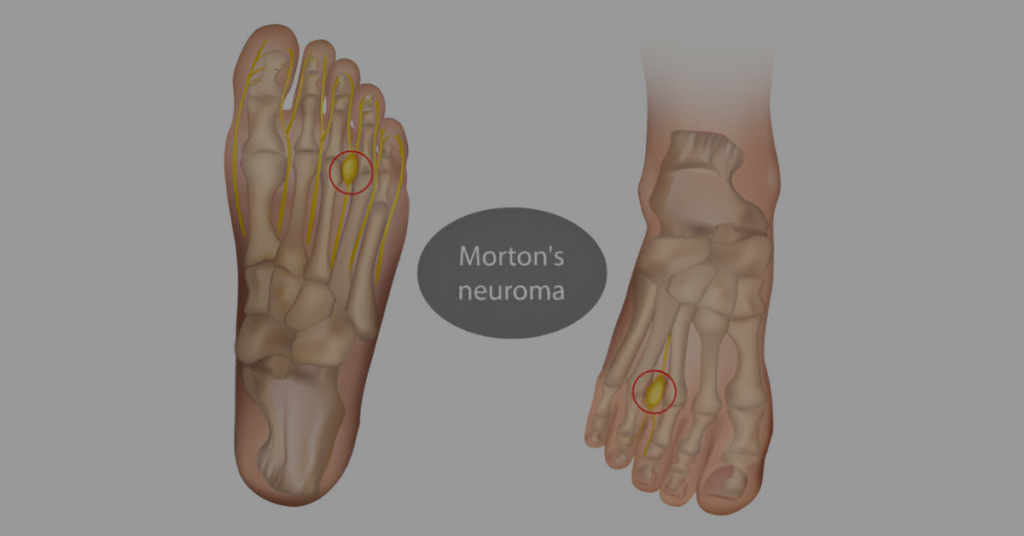
Learn about Morton’s Foot Syndrome, including its causes, symptoms, and various treatment options available to alleviate discomfort and improve foot health.

Introduction Osteoarthritis affects over 32 million adults in the U.S., making it the most common form of arthritis. Often misunderstood as merely “wear and tear,” osteoarthritis is a complex condition that can severely impact your mobility—especially in the feet and ankles. At Sole Foot and Ankle in Valparaiso, Indiana, we help patients regain function and comfort through expert diagnosis and tailored treatments. This article explores what causes osteoarthritis, how it manifests in the foot and ankle, and what treatment options are available to help you stay active and pain-free. Key Takeaways What Is Osteoarthritis? Osteoarthritis (OA) is a chronic condition that occurs when the cartilage that cushions joints gradually breaks down. Without this protective layer, bones begin to rub against each other, causing pain, swelling, and stiffness. While osteoarthritis can affect any joint, the foot and ankle are particularly vulnerable due to their constant use and weight-bearing role. Key Affected Areas in the Foot and Ankle Causes of Osteoarthritis in the Foot and Ankle Osteoarthritis often results from a combination of factors rather than a single cause. Some of the most common contributors include: 1. Age and Wear As we age, the cartilage in our joints naturally thins, increasing the likelihood of osteoarthritis. 2. Repetitive Stress Athletes, workers who stand for long hours, or individuals with physically demanding lifestyles may experience early-onset OA. 3. Joint Injuries Past sprains, fractures, or dislocations can accelerate cartilage degeneration, especially if improperly treated. 4. Genetics and Bone Structure Some people may inherit joint abnormalities or alignment issues that increase stress on cartilage. 5. Obesity Excess weight adds stress to weight-bearing joints, especially the ankles and feet. Symptoms of Osteoarthritis Osteoarthritis symptoms may develop gradually and worsen over time. In the foot and ankle, look out for: Diagnosis and Tests A podiatrist at Sole Foot and Ankle will typically start with a physical exam and review of your medical history. Common diagnostic tools include: Treatment Options for Osteoarthritis At Sole Foot and Ankle, treatment plans are customized to each patient’s condition and lifestyle. Here’s a breakdown of common approaches: Conservative Treatments Surgical Treatments When conservative treatments fail, surgical options may be considered: Comparative Analysis: Non-Surgical vs Surgical Treatments Treatment Type Pros Cons Non-Surgical (Orthotics, PT, Meds) Non-invasive, minimal risk, cost-effective May not provide long-term relief for severe cases Surgical (Fusion, Replacement) Can offer lasting relief for advanced OA Longer recovery time, higher cost, surgical risks Choosing the Right Approach The best treatment depends on the severity of your osteoarthritis, activity level, and personal goals. A podiatrist at Sole Foot and Ankle will guide you through: A Note from Sole Foot and Ankle If you’re experiencing persistent foot or ankle pain, don’t wait until it becomes debilitating. At Sole Foot and Ankle in Valparaiso, Indiana, we specialize in diagnosing and treating conditions like osteoarthritis with compassion and clinical expertise. Our foot doctors are here to help you move comfortably again. Schedule your appointment today or call us to learn more about how we can help you manage joint pain and restore your mobility.

Sports injuries can have a big impact on mental health, affecting an athlete’s well-being, and overall mindset. Learn more about the connection between them.

