

Introduction
An ingrown toenail might seem like a minor nuisance, but in rare cases, it can become a serious medical emergency. Many people delay care because they assume the pain, redness, or swelling will resolve on its own.
For individuals with diabetes, poor circulation, or a weakened immune system, an untreated ingrown toenail can trigger dangerous infections. In extreme cases, complications can become life-threatening. Understanding when an ingrown toenail is harmless and when it’s not can protect your health.
This guide explains when ingrown toenails become dangerous, how infections develop, and when to seek immediate care from a foot doctor in Valparaiso, Indiana.
Can an Ingrown Toenail Be Fatal?
Short answer: Very rarely; but yes, it can be.
An ingrown toenail becomes dangerous when infection spreads beyond the toe. If bacteria enter the bloodstream or deeper tissues, serious complications may follow.
How an Ingrown Toenail Can Become Dangerous
- Open skin allows bacteria to enter
- Local infection develops
- Infection spreads to surrounding tissue (cellulitis)
- Bacteria enter the bloodstream (sepsis)
- Infection spreads to bone (osteomyelitis)
Without timely ingrown toenail treatment, these complications can progress rapidly.
When Is an Ingrown Toenail Most Dangerous?
Certain individuals face a higher risk of severe complications:
- People with diabetes
- Patients with peripheral neuropathy
- Individuals with poor circulation
- Those with weakened immune systems
- Seniors with delayed wound healing
In these cases, even mild infections can escalate quickly.
Signs an Ingrown Toenail Infection Is Becoming Serious
Mild Symptoms (Early Stage)
- Redness
- Swelling
- Tenderness
- Clear drainage
- Pain when walking
Serious Warning Signs (Urgent Care Needed)
- Pus drainage
- Increasing redness spreading up the foot
- Severe swelling
- Fever or chills
- Red streaking on the foot or leg
- Foul odor
- Blackened skin around the toe
If any of these appear, seek urgent podiatric care immediately.
Why Infection Spreads So Easily From an Ingrown Toenail
The toes have limited blood flow compared to other areas. Reduced circulation slows healing and allows bacteria to multiply quickly.
In people with diabetes, nerve damage can delay pain signals, allowing infections to progress unnoticed.
This makes early ingrown toenail removal and treatment critical.
Is It an Ingrown Toenail or Something Else?
Some foot conditions mimic ingrown toenail pain.
Differential Diagnosis
- Paronychia (nail fold infection)
- Toe fracture
- Gout
- Arthritis flare
- Nerve irritation
Unlike fractures or tendon injuries, ingrown toenails typically cause localized pain, redness, and swelling along one nail border.
A podiatric exam confirms the diagnosis quickly.
Ingrown Toenail Treatment Options
At-Home Care (Only for Mild Cases)
- Warm saltwater soaks
- Proper nail trimming
- Open-toe footwear
- Topical antibiotics
If symptoms worsen after 48 hours, medical care is required.
Professional Ingrown Toenail Removal
At Sole Foot & Ankle, modern techniques allow quick, minimally invasive ingrown toenail removal with fast healing.
Advanced Treatment Options Include:
- Partial nail avulsion
- Permanent nail matrix correction
- Laser-assisted procedures
- Local anesthesia for pain-free treatment
These procedures prevent recurrence while minimizing downtime.
Modern Podiatry: How 2026 Technology Improves Outcomes
Today’s podiatry care uses advanced medical tools for faster recovery and fewer complications:
- AI-assisted gait analysis to correct walking mechanics
- 3D-printed orthotics to reduce pressure points
- Regenerative biologics to accelerate tissue healing
- Laser therapy for infection control and inflammation reduction
These technologies allow safer healing, especially for diabetic and high-risk patients.
When to See a Foot Doctor
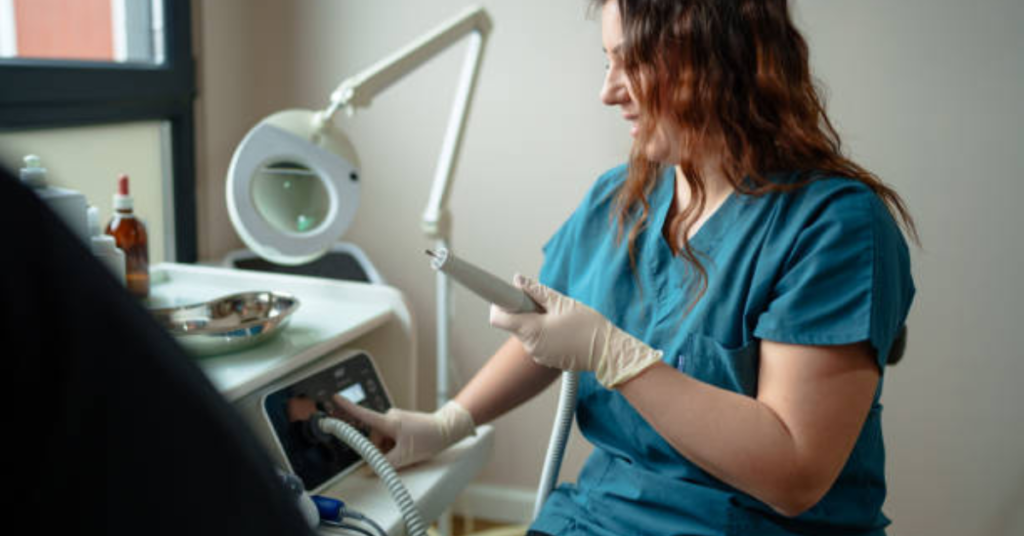
You should schedule an appointment immediately if:
- Pain worsens
- Redness spreads
- Drainage appears
- Walking becomes difficult
- You have diabetes or circulation issues
Prompt ingrown toenail treatment prevents infection and serious complications.
Can an Ingrown Toenail Cause Sepsis?
Yes; though rare, untreated toe infections can enter the bloodstream, causing sepsis, a life-threatening emergency.
Early professional treatment prevents this outcome.
How Long Can an Ingrown Toenail Infection Last?
Without proper care, infections may persist for weeks and gradually worsen. Chronic infections increase the risk of:
- Bone infection
- Recurrent abscesses
- Permanent nail deformity
- Hospitalization
Prevention Tips: How to Avoid Ingrown Toenails
- Trim nails straight across
- Avoid tight shoes
- Wear breathable socks
- Maintain good foot hygiene
- Schedule regular foot exams if diabetic
Why Choose Sole Foot & Ankle in Valparaiso?
At Sole Foot & Ankle, we combine medical expertise, advanced technology, and compassionate care to deliver exceptional outcomes.
Our clinic offers:
- Same-week appointments
- Modern ingrown toenail removal
- Advanced diabetic foot care
- Custom orthotics
- Minimally invasive treatment solutions
We proudly serve patients across Valparaiso and Northwest Indiana.
Final Thoughts: Can an Ingrown Toenail Kill You?
An ingrown toenail rarely becomes fatal, but ignoring infection signs can allow dangerous complications to develop. Early treatment keeps minor problems from becoming medical emergencies.
If your toe is painful, swollen, or draining, professional care can protect your long-term health.
Schedule Your Appointment Today
Don’t wait for a simple toenail issue to become a serious infection. Contact our Valparaiso office to schedule your appointment today.
Frequently Asked Questions About Ingrown Toenails
Can an ingrown toenail heal on its own?
A very mild ingrown toenail may improve with proper foot care, soaking, and correct trimming. If pain, swelling, or drainage persists beyond two days, professional treatment is recommended to prevent infection.
When should I see a podiatrist for an ingrown toenail?
You should see a foot doctor in Valparaiso, Indiana if you notice:
- Increasing pain
- Redness spreading beyond the nail
- Drainage or pus
- Difficulty walking
- Signs of infection
Immediate care is especially important if you have diabetes or circulation problems.
How painful is ingrown toenail removal?
Modern ingrown toenail removal procedures are quick and nearly painless. A local anesthetic fully numbs the toe, and most patients walk out comfortably the same day.
How long does it take to recover after ingrown toenail treatment?
Most patients return to normal activity within 24–48 hours. Healing typically completes within 1–2 weeks, depending on the procedure and overall health.
Can an ingrown toenail cause serious infection?
Yes. If left untreated, bacteria can spread into surrounding tissue, bone, or bloodstream. In severe cases, infection can lead to cellulitis, osteomyelitis, or sepsis.
Are ingrown toenails more dangerous for people with diabetes?
Yes. Diabetes reduces circulation and sensation, increasing infection risk and slowing healing. Any ingrown toenail in diabetic patients should be evaluated early by a podiatrist.
Can ingrown toenails come back after treatment?
Without proper treatment, recurrence is common. Permanent correction procedures offered at Sole Foot & Ankle significantly reduce recurrence risk.
Is home treatment safe for infected ingrown toenails?
No. Home remedies may worsen infection or delay proper treatment. Medical care is strongly recommended if redness, swelling, or drainage appears.
Can poor footwear cause ingrown toenails?
Yes. Tight shoes, narrow toe boxes, and athletic cleats commonly trigger ingrown toenails by compressing the nail edges into skin.
What is the fastest way to treat an ingrown toenail?
The fastest solution is professional ingrown toenail removal, which relieves pain immediately and prevents complications.

