For most runners, running after bunion surgery is the number one concern before they ever agree to go under the knife. Not the procedure itself. Not the cost. The training gap. The fitness lost. The race on the calendar that suddenly feels impossible to reach.
As a marathon runner and board-certified podiatrist, Dr. Harpreet Minhas hears this concern from athletic patients every week at Sole Foot and Ankle in Valparaiso, IN. His answer is always the same: running after bunion surgery is not only possible, it is the plan. The fear of what surgery does to your running is usually far worse than the reality, especially with the minimally invasive techniques available today.
This post gives runners and active patients the honest, specific information they need about running after bunion surgery and returning to sport after hammertoe surgery, including realistic week-by-week timelines, what factors affect your recovery, and how to protect your comeback once you are cleared to run again.
Why Runners Delay Bunion Surgery — and Why Running After Bunion Surgery Gets Harder the Longer You Wait
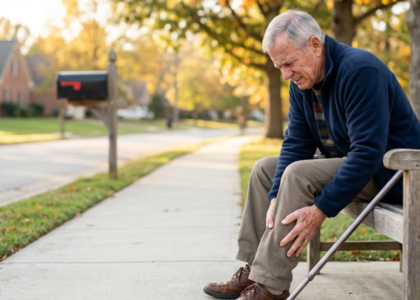
The reasoning is understandable. You work hard to build your running base, you have a race on the calendar, and six months on the couch feels unacceptable. So you keep lacing up, modifying your stride, buying wider shoes, and tolerating the pain.
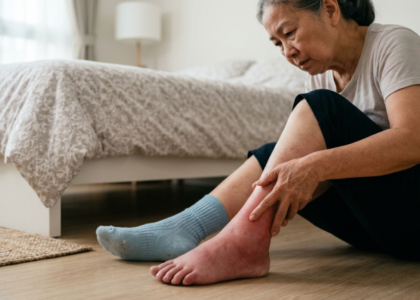
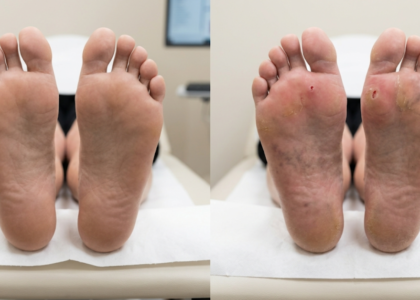
Untreated bunions do not stay the same. They progress. The deformity worsens, the joint becomes increasingly arthritic, and secondary conditions develop including hammertoes, plantar fasciitis, and metatarsalgia. Delaying surgery makes the structural problem worse and the eventual correction more complex, which directly affects how quickly running after bunion surgery becomes possible.
More importantly, running on a bunion does not just hurt. It changes your gait. Your body compensates for the painful first MTP joint by altering foot strike, loading the lateral foot more heavily, and shifting stress up the kinetic chain. That compensation pattern drives overuse injuries in the knee, hip, and lower back that can sideline you just as effectively as surgery, but without the finish line of a corrected foot.
The question for a runner is not whether to fix the bunion. It is when and how to do it in a way that protects as much fitness as possible and gets you back to running as quickly and safely as the biology allows.
Traditional Surgery vs. Minimally Invasive Techniques — Why the Difference Matters for Runners
Not all bunion surgeries are equal from a runner’s recovery perspective. The technique your surgeon uses has a direct and significant impact on how quickly you return to training.
Traditional 2D bunion osteotomy cuts and shifts the metatarsal bone sideways to reduce the visible bump. It addresses the cosmetic deformity but leaves the unstable metatarsocuneiform joint, the root cause of the bunion, uncorrected. Recovery typically requires six to eight weeks of non-weight bearing, a total of three to six months before return to sport, and carries a meaningful recurrence rate because the underlying instability is never addressed.
Lapiplasty 3D Bunion Correction, the technique Dr. Minhas performs at Sole Foot and Ankle, takes a fundamentally different approach. Rather than simply cutting the bone, Lapiplasty rotates the entire metatarsal back to its correct anatomical position in all three dimensions and permanently stabilizes the metatarsocuneiform joint with titanium plating. This corrects the root cause of the deformity, not just the visible bump.
The clinical advantage for runners is significant. According to Treace Medical, the makers of Lapiplasty, patients can typically begin weight bearing in a boot within 3 to 10 days after surgery, return to athletic shoes at 6 weeks, and return to full activity at approximately 4 months. Compare that to the six to eight weeks of complete non-weight bearing required after traditional osteotomy, and the difference for a runner trying to preserve fitness is substantial.
Similarly, minimally invasive hammertoe surgery uses small incisions and specialized tools to realign bones and tendons, resulting in less swelling and scarring. Recovery is estimated at 4 to 6 weeks with minimally invasive techniques, compared to the longer timelines associated with traditional open hammertoe procedures.
Your Realistic Week-by-Week Timeline for Running After Bunion Surgery with Lapiplasty
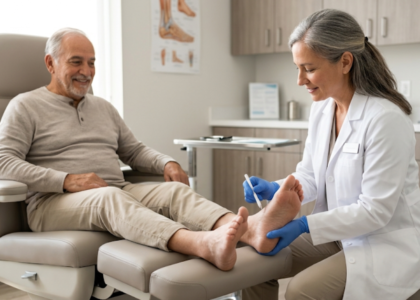
Every patient heals differently, and running after bunion surgery depends on several clinical milestones rather than a fixed date on the calendar. The timeline below reflects the typical progression for a healthy, active patient undergoing Lapiplasty at Sole Foot and Ankle in Valparaiso, IN. Dr. Minhas assesses each patient individually at every follow-up visit and advances the plan based on imaging and clinical findings.
Days 1 to 10 — Protected Weight Bearing
Surgery is performed on an outpatient basis, so you go home the same day. The foot is bandaged and placed in a surgical boot, and most patients begin protected weight bearing within the first three to ten days. Rest, elevation, and swelling control are your primary jobs in this phase. Short distances at home are manageable, but a knee scooter works better for anything longer. Running after bunion surgery is not yet on the radar, though upper body fitness and gentle seated stretching are appropriate from day one.
Weeks 2 to 6 — Boot Phase and Early Rehabilitation
Swelling begins to reduce in this phase. Follow-up X-rays at two to three weeks confirm early fixation stability, and most patients walk comfortably in the boot by week three. Low-impact cardiovascular work that does not load the operative foot is appropriate now. Pool running, swimming, and upper body training all preserve fitness without compromising the surgical site. Stationary cycling is typically introduced around week four to six depending on comfort and Dr. Minhas’s assessment.
Weeks 6 to 8 — Transition to Athletic Shoes
Around weeks 6 to 8, most patients transition back to regular daily activities in athletic shoes with good support and a wide toe box. Walking for exercise, light hiking, and elliptical training are generally well tolerated at this point. Running after bunion surgery is still not cleared here, as the fixation is not yet mature enough to handle repetitive impact, even though the bone is healing well.
Months 3 to 4 — Running After Bunion Surgery Begins
After three months, X-rays confirm healing status. When imaging shows complete consolidation and your gait assessment demonstrates symmetric mechanics, running after bunion surgery can begin in a structured, progressive way. Dr. Minhas follows this clinical milestone approach rather than a fixed date, ensuring the bone is genuinely ready before impact loading resumes.
The return-to-running protocol at Sole Foot and Ankle follows a progressive loading approach. It starts with walk-run intervals at low intensity on a flat surface, with gradual increases in run duration over two to four weeks before continuous running is resumed. Speed work, hills, and long runs are reintroduced only after three to four weeks of comfortable easy running.
Months 4 to 6 — Return to Full Training
High-impact activities like running typically take four to six months and require surgeon approval before resuming. Most runners are back to full training volume by month five to six, with race participation typically appropriate from month six onward depending on training progression.
Return-to-Running Timeline After Minimally Invasive Hammertoe Surgery
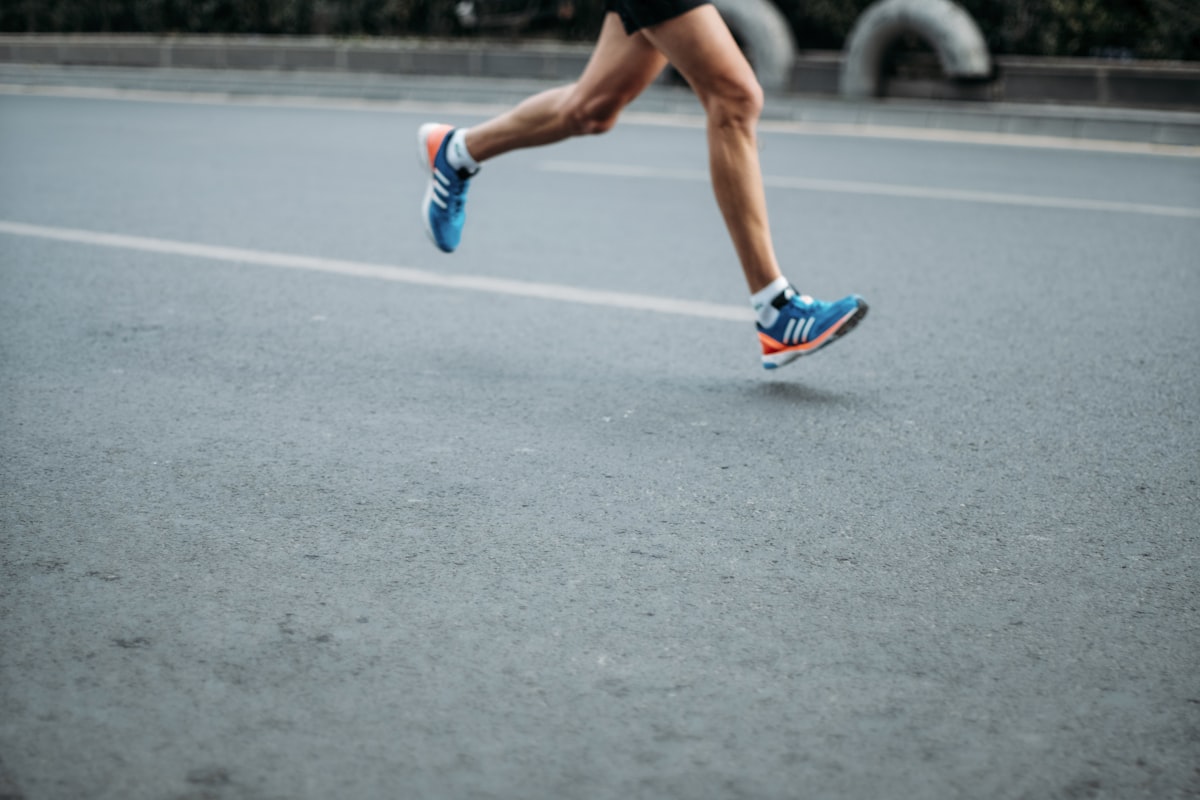
Hammertoe surgery recovery is somewhat faster than bunion surgery, particularly with minimally invasive techniques. Here is what runners can expect when returning to training after hammertoe correction at Sole Foot and Ankle.
Weeks 0 to 2 — Surgical Shoe and Rest
Patients walk in a surgical shoe from the day of the procedure. Elevation and swelling control are the priorities. The surgical site is monitored at follow-up visits for wound healing and early bone consolidation.
Weeks 3 to 6 — Increasing Activity
Most patients transition from surgical shoes to supportive sneakers by weeks three through six. Full weight bearing in regular athletic shoes with cushioned insoles is typically possible around week four. Start with ten-minute walks and add five minutes daily as tolerated. Pool running and swimming are appropriate from week three onward once the incision is healed.
Weeks 6 to 12 — Return to Running
Full recovery including swelling reduction and return to normal activities often occurs within the 6 to 12-week range for minimally invasive hammertoe procedures. A graduated return to running typically begins at week eight to ten. Most runners return to comfortable easy running by week ten to twelve. When hammertoe surgery is performed alongside bunion surgery, the combined recovery timeline aligns more closely with the bunion surgery schedule.
What Affects Your Running After Bunion Surgery Timeline
Several factors influence how quickly running after bunion surgery becomes possible. Being honest about each one helps set realistic expectations and avoid setbacks during recovery.
- The severity of your deformity. A mild to moderate bunion corrected early requires less bone work and heals faster than a severely arthritic, long-neglected deformity. This is one of the most compelling reasons not to delay surgery until the deformity is at its worst.
- Your overall health and bone quality. Patients with diabetes, osteoporosis, vitamin D deficiency, or vascular compromise heal more slowly. Optimizing these factors before surgery improves outcomes.
- How closely you follow post-operative instructions. The single biggest driver of delayed recovery is doing too much too soon. Every time a patient puts unrestricted weight through a healing metatarsal, they risk shifting the fixation and extending their timeline. Patience in the first six weeks consistently pays dividends at month four and beyond.
- Your pre-surgery fitness level. Highly conditioned runners tend to heal well and adapt quickly to cross-training alternatives. Maintaining cardiovascular fitness through swimming, pool running, and cycling during the non-weight bearing phase means you return to running with a stronger aerobic base and rebuild running-specific fitness faster.
- Custom orthotics and footwear. Returning to running in the wrong shoe or without appropriate mechanical support increases the risk of recurrence and overuse injury. As part of your recovery plan, Dr. Minhas provides specific footwear guidance and, where appropriate, custom orthotics to correct the biomechanical contributors that predisposed you to the bunion or hammertoe in the first place.
Maintaining Fitness During Recovery — A Runner’s Guide
The fear of losing fitness during foot surgery recovery is legitimate. But with a structured approach, most runners are surprised by how much they can preserve.
Pool Running
The most running-specific cross-training available. With a flotation belt in the deep end of a pool, you replicate your running mechanics exactly without any ground contact. Elite runners use this during injury recovery to maintain full aerobic fitness. You can start pool running as soon as the incision is fully healed, typically around three to four weeks after surgery.
Swimming
Non-weight bearing and highly effective for cardiovascular fitness. Flip turns may place some stress on the forefoot depending on the procedure, so check with Dr. Minhas before pushing off aggressively from the wall.
Stationary Cycling
Generally appropriate from week four to six after Lapiplasty, once the boot phase is transitioning out. Keep resistance low initially. The push-off motion of cycling does engage the forefoot, so introduce it gradually and monitor for any increase in discomfort.
Upper Body and Core Training
Seated upper body work, pull-ups, and core exercises can begin from day one. A strong core directly supports running efficiency and injury prevention when you return to training.
Progressive Walking
Once cleared to walk in athletic shoes, progressive walking mileage is the first step back to running. Build to 45 to 60 minutes of comfortable walking before beginning run-walk intervals.
A Note from Dr. Minhas — Surgeon and Marathoner
As someone who has trained for and completed marathons, I understand what it means to be told you cannot run. It is not just a physical inconvenience. It affects your schedule, your stress management, your social running group, and your sense of identity as an athlete.
When I plan a bunion or hammertoe correction for a runner, I am thinking about more than the surgical technique. I am thinking about race calendars, training cycles, and what cross-training options will keep this patient sane and fit during recovery. I factor in that an active patient who has been running for years will likely adapt quickly to pool running and rebuild running fitness faster than someone who has been sedentary.
The most important thing I tell running patients is this: the surgery fixes the structural problem permanently. The recovery is temporary. A well-executed Lapiplasty with a structured return-to-running plan gets most of my active patients back to comfortable, unrestricted running within four to six months, often with better mechanics and less pain than they had before surgery.
Do not let fear of recovery keep you running on a broken foot any longer.
Why Choose Sole Foot and Ankle for Bunion and Hammertoe Surgery in Valparaiso, IN
At Sole Foot and Ankle, foot surgery for active patients is planned with the full picture in mind. Dr. Minhas offers Lapiplasty 3D Bunion Correction and minimally invasive hammertoe surgery using techniques designed to minimize recovery time and get runners back on the road as efficiently as possible. Every surgical patient receives a clear, milestone-based return-to-activity plan and specific cross-training guidance for maintaining fitness during recovery.
For runners dealing with sports injuries or structural foot problems, Sole Foot and Ankle in Valparaiso, IN provides the athlete-informed approach that general podiatric care often misses.
Frequently Asked Questions About Running After Bunion Surgery at Sole Foot and Ankle
How long after Lapiplasty can I run a race?
Most patients undergoing Lapiplasty at Sole Foot and Ankle are cleared to begin a graduated return-to-running program at three to four months, with comfortable easy running typically achieved by month four to five. Race participation is generally appropriate from month six onward, depending on training progression and the distance involved. A 5K requires less preparation time than a half marathon or marathon. Dr. Minhas will give you a specific race timeline based on your imaging, your gait mechanics, and how your return-to-running program is progressing.
Can I run with a bunion instead of having surgery?
Many runners manage bunion pain with wider shoes, custom orthotics, and anti-inflammatory strategies for a period of time. However, running on a progressive bunion deformity alters gait mechanics in ways that drive secondary overuse injuries and accelerates joint arthritis. The longer the bunion is left uncorrected, the more complex the required surgical intervention. If your bunion is causing pain, affecting your training, or producing gait compensation patterns, a surgical consultation at Sole Foot and Ankle will give you an honest assessment of where the deformity is and what your options are.
Is Running After Bunion Surgery Faster with Lapiplasty Than with Traditional Techniques?
Yes, meaningfully so. Running after bunion surgery with Lapiplasty is possible at three to four months, compared to four to six months with traditional osteotomy. Traditional techniques also require six to eight weeks of complete non-weight bearing before any walking is possible. That gap in activity has a significant impact on fitness preservation for any serious runner.
Can I run after hammertoe surgery?
Yes, with appropriate recovery time. Minimally invasive hammertoe surgery generally allows return to running at weeks eight to twelve, which is faster than traditional open hammertoe procedures. The exact timeline depends on the number of toes corrected, whether the surgery was combined with bunion correction, and how healing progresses at follow-up. Dr. Minhas monitors each patient individually and provides a specific return-to-running clearance based on clinical and imaging findings.
What is the best cross-training during bunion surgery recovery?
Pool running is the most running-specific option and can begin as soon as the incision is healed, typically at three to four weeks. Swimming, stationary cycling from week four to six onward, and upper body and core training from day one are all effective ways to maintain fitness during recovery. Dr. Minhas provides specific cross-training guidance for every surgical patient at Sole Foot and Ankle based on the procedure performed and the individual’s recovery progress.
Ready to Fix Your Foot and Get Back to Running?
You do not have to choose between your running and your foot health. With the right surgical technique, a structured recovery plan, and a surgeon who understands what running means to you, getting back on the road after bunion or hammertoe surgery is not just possible. It is the plan.
At Sole Foot and Ankle in Valparaiso, IN, Dr. Harpreet Minhas provides Lapiplasty 3D Bunion Correction and minimally invasive hammertoe surgery for active patients throughout Northwest Indiana, with a return-to-running roadmap built into every surgical plan.
📞 Call us today at +1 219-464-9588
📍 2308 Roosevelt Rd, Valparaiso, IN 46383
🔗 Book online at solefootdoc.com
Sole Foot and Ankle. One Step Ahead.